Case Study: Santoña Canning History Museum
A contemporary, vibrant, immersive and open museum, faithful to Santoña’s canning tradition


Client
Santoña Canning History Museum

Technology
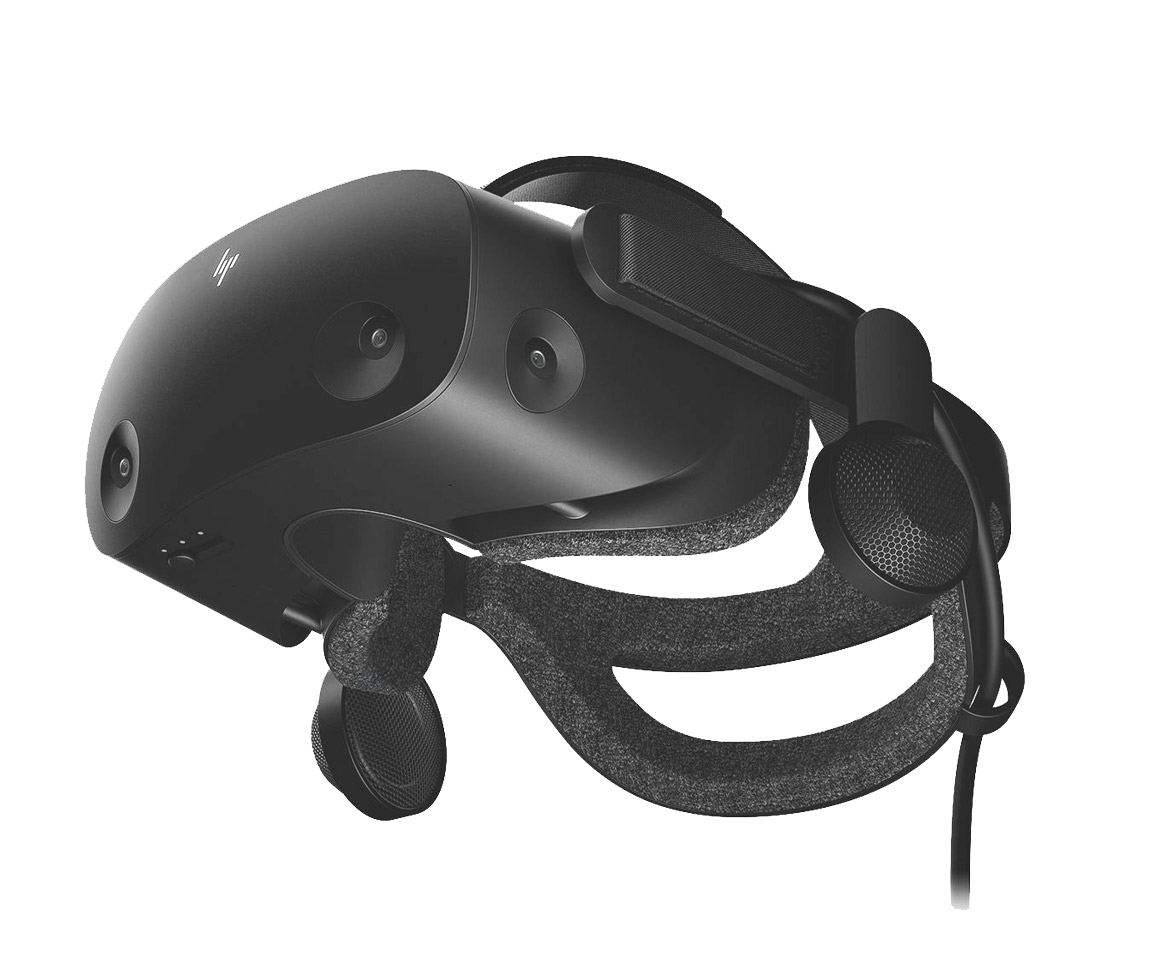
Virtual Reality
About the project
The Santoña Town Council sought to showcase the town’s maritime, industrial and historical heritage through the creation of the Santoña Canning History Museum, located in the iconic Fuerte San Martín. The fishing, salting and canning industry driven from the late 19th century onwards by Spanish and Italian pioneers transformed the town, turning anchovies into one of the great symbols of its economic, social and cultural development.
During the opening of the museum, Santoña Mayor Jesús Gullart highlighted that “Santoña is the sea; it owes everything to the sea, both because of its tradition of great navigators and sailors and because of its entire fishing and canning industry.”
To transform this historic infrastructure into a contemporary, vibrant, open museum connected to its community, the Town Council chose to combine historical artefacts and tradition with immersive technology and the most advanced interactive content.
The need: showcasing a tradition and giving visibility to a profession through an interactive and immersive space
Santoña needed a modern museum, with an exhibition narrative capable of connecting its canning heritage and collective memory with younger generations and with new cultural languages through participatory formats.
To achieve this, it was necessary to create a space that would pay tribute to the tradition and give visibility to the women in the canning industry within the community, highlighting a role that has historically been overlooked in traditional accounts of industrial history, yet was crucial to the development of the sector.
"If Italian master salters brought the technique to Santoña at the end of the 19th century, it was the women of Santoña who brought the soul, manual skill, and unwavering dedication that transformed this craft into a universal economic driving force. Historically, while the men were at sea during the fishing season, it was the women working in the canneries who took responsibility for running the factories and supporting their families.
Hand-rubbing and hand-filleting anchovies is not merely a mechanical task; it is an artisanal heritage passed down from mothers to daughters in Santoña, a unique know-how that requires the utmost delicacy and millimetre-perfect precision to achieve the highest quality."
Marta Belaustegui, Tourism Officer at Santoña Town Council, Manager of the Sustainable Tourism Plan, and Content Coordinator at the Museum.
“It was essential for the project to overcome the physical limitations of the exhibition space, giving visitors the opportunity to experience environments and key moments in history — such as a fishing boat, the Roman port or the fish market — that cannot be physically recreated within the fortified site.”
Carolina Gaona, Project Manager, INVELON
The project therefore focused on three key objectives:
- Attracting and engaging all types of audiences: Creating an immersive, interactive and educational experience through gamification and virtual reality.
- Preserving and transmitting collective memory: Documenting and communicating the traditional, artisanal process of making canned fish, the evolution of local brands and the urban history of Santoña in an engaging way.
- Establishing Santoña as a cultural and tourism destination: Strengthening the town’s tourism offering by positioning Fuerte San Martín as an innovative cultural asset that brings together tradition and technology.
Technology and immersive solutions: gamified technology experiences at the heart of the museum
As a technology partner specialising in immersive and interactive solutions, INVELON has led the design, development and implementation of the museum’s complete range of experiences:
- Five Virtual Reality experiences: 360-degree immersive environments that take visitors beyond the museum walls: a recreation of the Roman port of Santoña, the former Italian salting factory, a simulation that turns visitors into a fisherman for a day aboard a fishing boat, an immersive experience of a fish auction at the fish market, and a 360° panoramic flight over Santoña Bay.
- Interactive map “From Yesterday to Today: A Panoramic View”: INVELON developed and integrated touchscreen software that allows visitors to explore the evolution of Santoña’s urban and territorial landscape through 3D models, images, videos, texts and soundscapes.
- Gamified experience “From Sea to Table”: An interactive video game that invites users to become a master canner for a day, recreating the traditional artisanal process of preparing an anchovy fillet — from selecting the raw material through heading, salting and final packaging.
- Interactive avatars of women working in the canning industry: Four digital recreations of women canning workers from different periods (Carmen, María, Loli and Puerto). Through interactive conversations, these avatars share their testimonies and anecdotes and explain the challenges of the profession and the generational transition.
- Interactive projection and graphic archive: Implementation of an interactive system dedicated to the historical catalogue of labels, lithographs and canned-food tins from local companies, showcasing the evolution of graphic design and brands.
The result: transforming the learning of history into a sensory, participatory experience accessible to all audiences
The combination of the historical significance of Fuerte San Martín and the technological capabilities developed by INVELON has turned the Santoña Canning History Museum into a living and innovative space.
The project has achieved a perfect balance between preserving tangible and intangible heritage and projecting Santoña towards the future through digitalisation and immersive experiences.
Visitors can intuitively and free of charge experience virtual reality technology and state-of-the-art interactive screens, with no prior knowledge or technical expertise required, thereby democratising access to immersive technology.
In addition, by gamifying learning through a video game and interactive touchscreens, children and young people can discover the complexity of traditional artisanal canning work through interaction and virtual practice.
Finally, interaction with the virtual avatars humanises the town’s industrial history, allowing visitors to hear directly the voices and testimonies of the women who helped shape Santoña’s identity, fostering empathy and emotional and cultural transmission.
“With the opening of this museum at Fuerte San Martín, we are not only restoring the splendour of a unique architectural heritage site, but also offering present and future generations a living space for knowledge, pride and local culture: the anchovy.”
Sara Lagarma, Councillor for Tourism, Santoña Town Council