Virtual Reality in design departments
Design departments benefit from Virtual Reality to better visualise the work they have done.
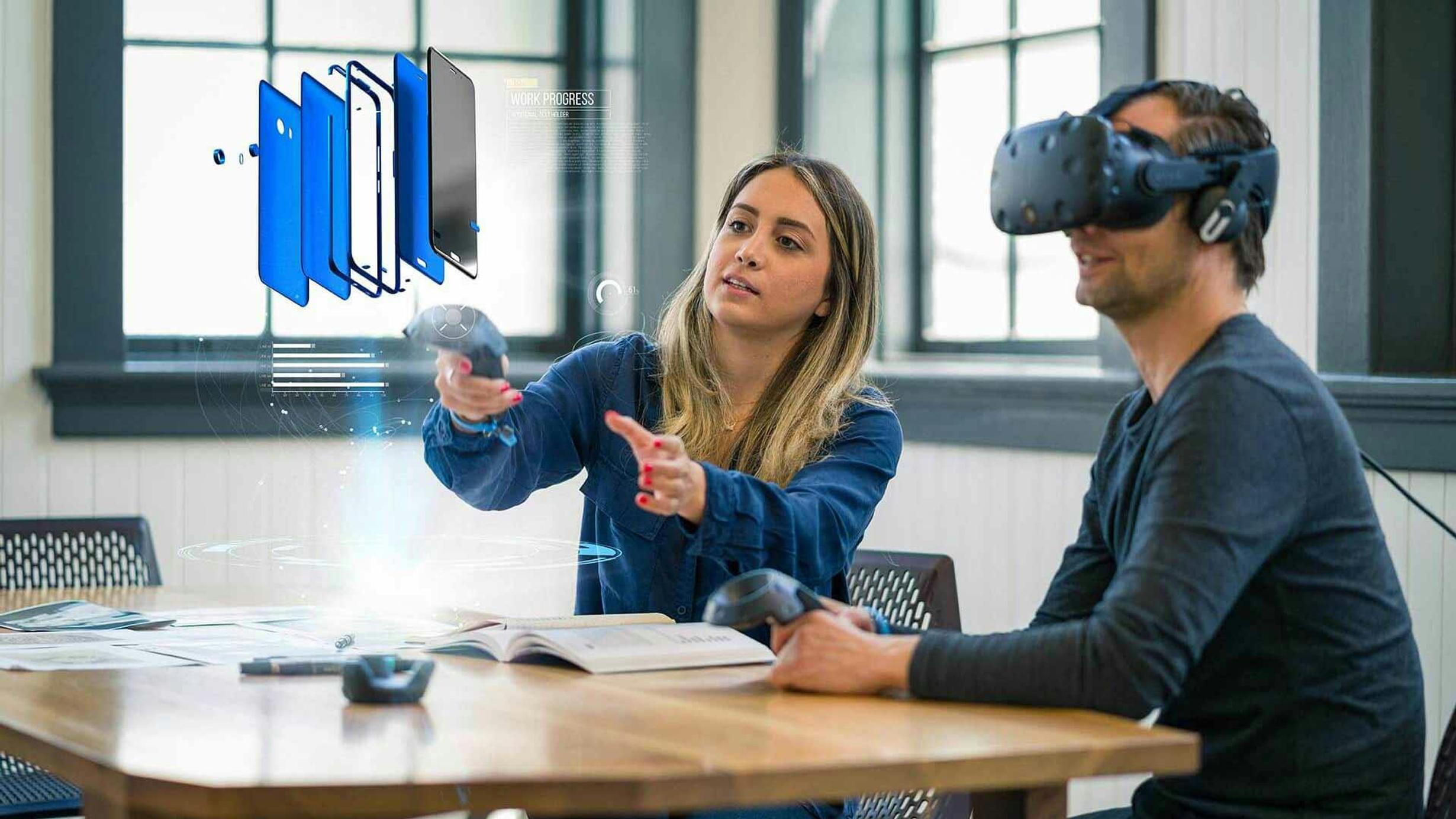
Virtual Reality (as well as Augmented Reality) is increasingly present in companies and businesses of all kinds. A technology in the spotlight that allows us to work in a more efficient, visual and interactive way. And a great example of this is design departments, which benefit from Virtual Reality to better visualise the work they have done.
How is Virtual Reality used in design departments?
Thanks to Virtual Reality, graphic designers can have a better visual experience when they want to turn their own designs into reality. The usefulness of Virtual Reality in this field lies in being able to visualise the final result of a design much better, before making the final physical product. This function can be applied in the design of vehicles, clothing, prostheses, roads and all kinds of infrastructure, products or even services.
Virtual Reality is applied once designers have created a first digital prototype: first, designers create the design of their product on a computer and then this design is transferred to Virtual Reality, where the design can be seen in full detail, from every possible angle and perspective. The visualisation of the design in Virtual Reality can even be shown to the end customer, so that they can enjoy a fully immersive experience of their upcoming product. Once the design has been validated through its visualisation in Virtual Reality, the designed project can start to be carried out and the final product created.
Benefits of applying Virtual Reality in design departments
Thanks to Virtual Reality, both design departments and designers in general can benefit from great advantages that other, traditional design departments do not have:
- Finished designs can be viewed and tested through Virtual Reality, to feel them more realistically and know how they will look once built in reality. A more complete and immersive user experience is also created, in which the customer can explore the result from every angle and at real size.
- With the possibility of viewing the design through Virtual Reality, we can detect possible errors and/or modifications, without having to redesign the work once it has already been carried out, and reducing the product design risk. Likewise, the “time to market” is also reduced, increasing the agility and speed with which the project is completed.
- In addition, design departments that use Virtual Reality can position themselves better as technology companies, earning a more than positive reputation and offering their customers a highly innovative way of viewing their work.
Other applications of Virtual Reality in the world of work
There are many benefits of Virtual Reality in the design departments of any company. But Virtual Reality is now also being used in our country as a new working tool in many other sectors:
- Logistics and warehouse management
- Architecture
- Simulation of dangerous situations
- Industrial Maintenance
- Museums
- Cultural heritage
- Education
- Advanced information visualisation
- Product catalogue
- Training and protocol
The aim of Virtual Reality is to continue covering major sectors of work, helping workers to grow professionally and technologically and making the work done more effective. In time, all companies will have to adapt to the digital changes that come our way, betting on new technologies (such as Virtual Reality and Augmented Reality in this case) that allow us to work more efficiently, moving away from more traditional methods and improving our work results.