Our manifesto | INVELON
Spatial Knowledge Layer for human evolution
Our manifesto for the technological paradigm shift
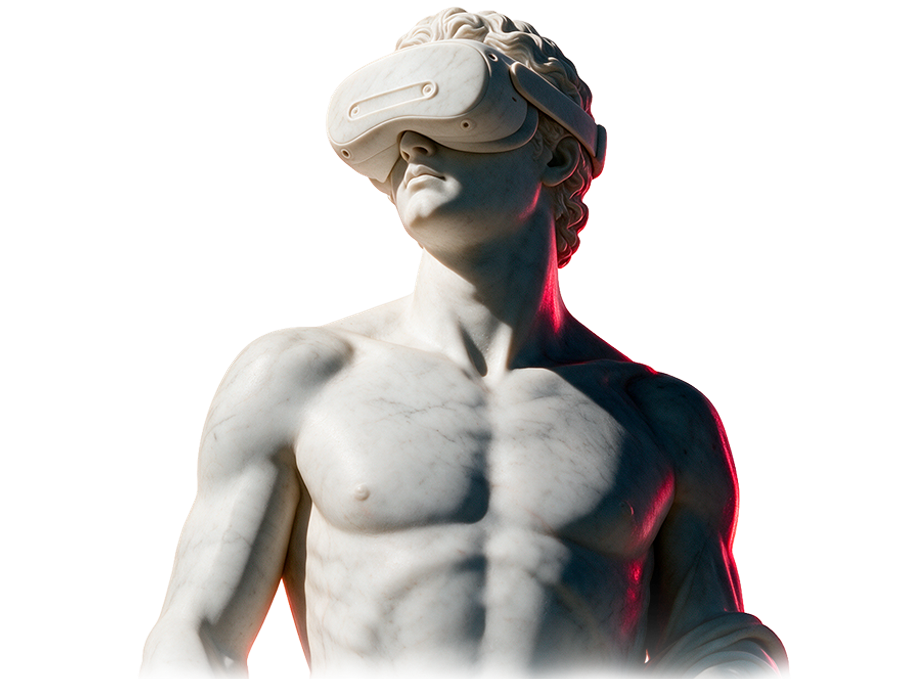
An augmented human
The history of humanity can also be read as a history of the transfer of capabilities.
With the first tools we transferred physical effort. With industrialisation, repetition and precision. With computers, calculation and memory. With the Internet, access to knowledge. And now, with Artificial Intelligence, we are beginning to transfer parts of reasoning, interpretation and decision-making.
Every technological revolution has allowed machines to take on what we used to do ourselves. But today we are entering a new stage.
The decisive question is no longer how far technology will go, but what we want it to allow human beings to become. We are not looking for a human who delegates their capabilities until they lose them. We want an augmented human.
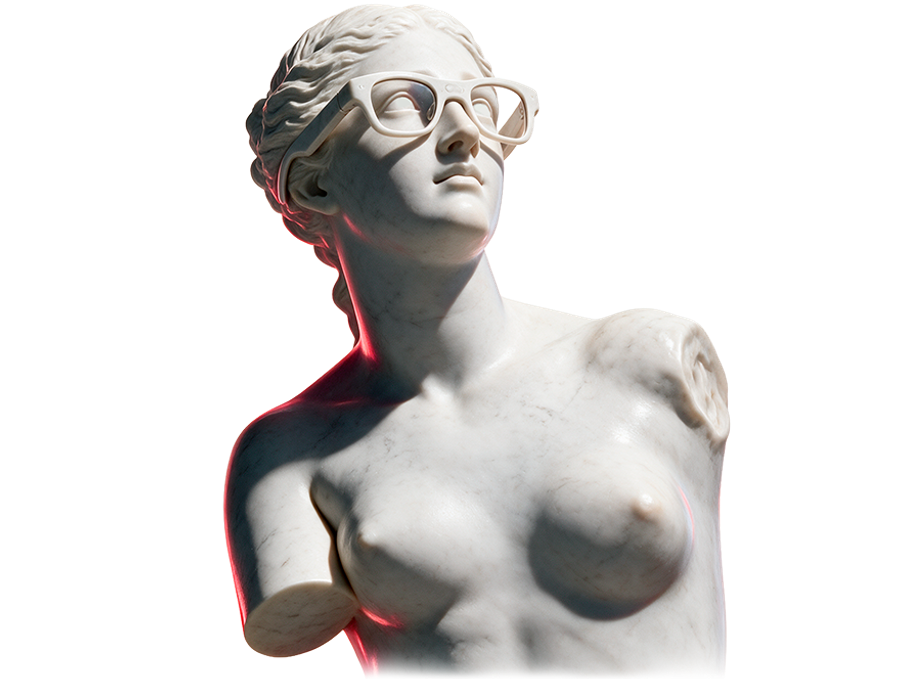
It's time to look up
Reconnecting with the physical world without giving up digital progress.
Technology was born to free us and expand our possibilities. However, the smartphone —despite giving us access to the greatest knowledge in history— made us adopt a physical gesture: lowering our heads and turning our attention away from the real world. The factory, the countryside, the city, art. The person in front of us.
The next step is to reconnect with reality. If technology made us look down, it is time to look up.
Physically, it means lifting our gaze from the screen and observing our surroundings again. But it also demands raising our judgement: no longer asking ourselves only what technology can do, and deciding what we want to use it for and what kind of humanity we want to build with it.
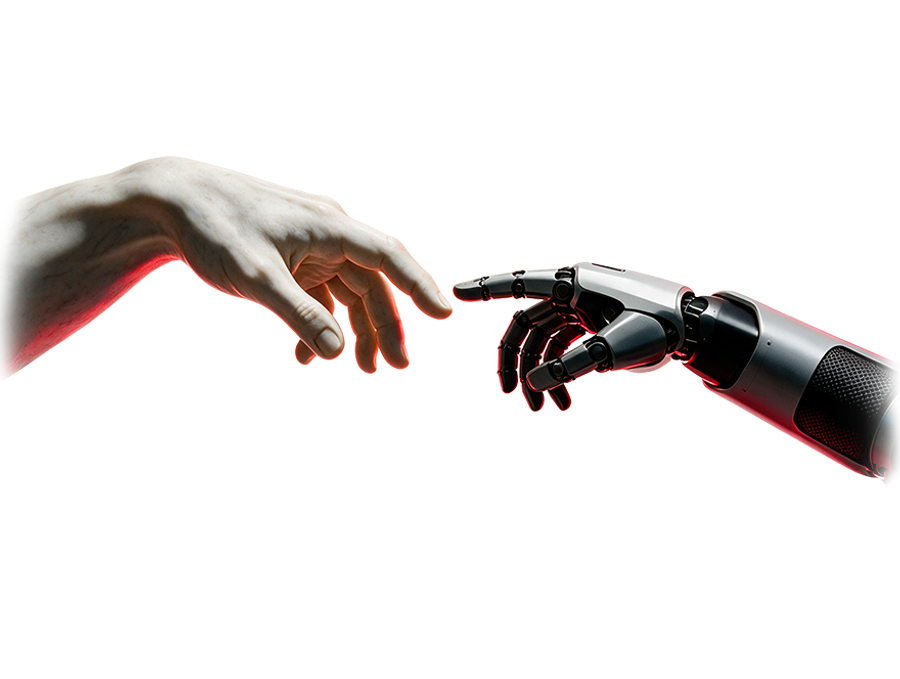
Spatial Intelligence
The technological convergence that amplifies human potential.
The integration of AI, XR and robotics in the service of people, in an ecosystem where AI understands, XR contextualises and robotics executes.
Together they make knowledge stop being confined to a screen and return to the physical world. They allow us to understand our surroundings, intervene in them and operate in collaboration with technology, never in place of people.
We are not looking for headsets that are just another screen in front of the eyes, nor an augmented reality cluttered with floating windows, nor robots that remove humans from the equation. We want technology that disappears as an intermediary and appears as an amplifier of our capabilities.
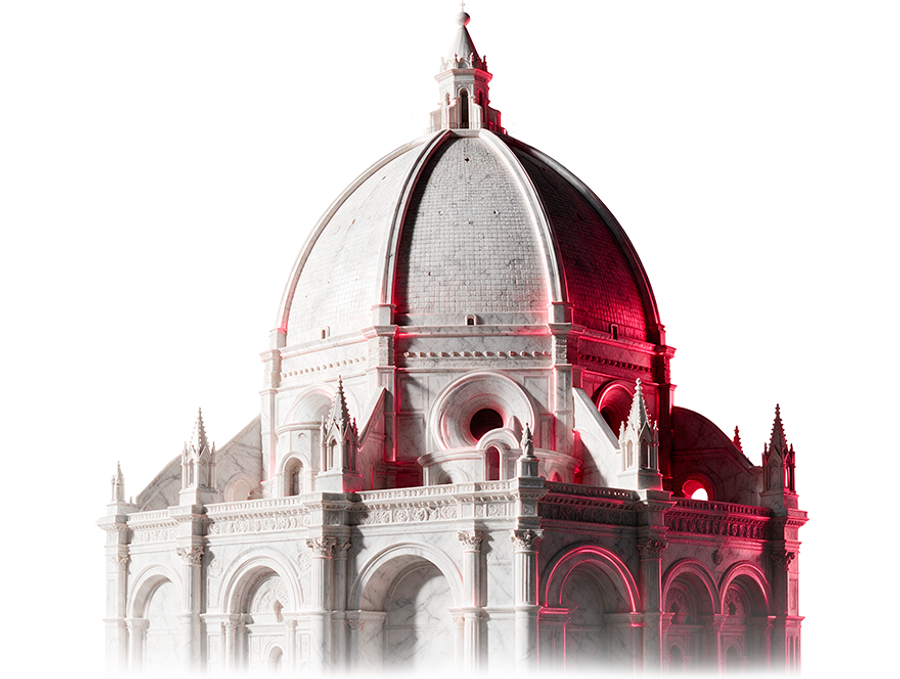
Spatial knowledge
Integrating data directly where actions take place.
For centuries, human beings have built tools to capture, store and share knowledge. Today we take the next step: making that knowledge part of the space we inhabit.
Information no longer has to be separated from the place where the action happens. It can be present, contextualised and connected to the environment, accompanying us exactly where it is needed. We digitise spaces, understand movement and place data in its real context.
At INVELON we are building this new layer of knowledge over the physical world: a spatial layer that connects what we know with where we are, what we see and what we do. A layer that does not replace our perception of the world, but extends it. In industry, in healthcare, in tourism and in our everyday lives.
A new Renaissance
Placing people at the centre of technological design.
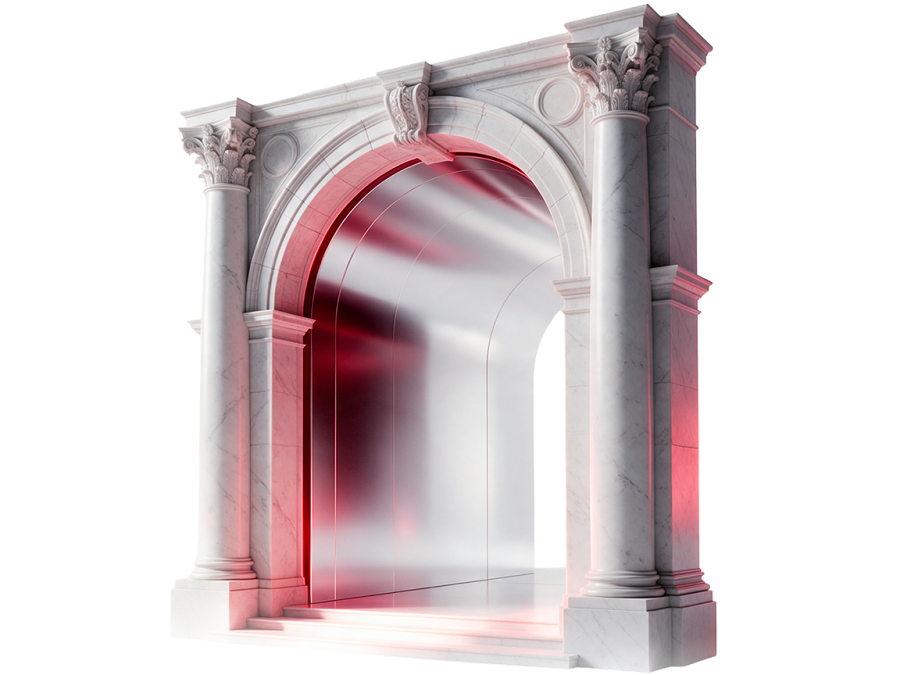
The Renaissance placed human beings, knowledge and creativity at the centre. Today we are driving a new Renaissance. Not that of a Homo Deus who replaces their humanity with the machine, but that of an empowered human who uses technology to multiply their intelligence, creativity, autonomy and capacity to act on the world.
Technology must not replace what makes us human; it must help us develop it. The aim is not for technology to take up more room in our lives. It is for us to be able to take up more space in the world.
At INVELON we design solutions to free, strengthen and multiply human potential. Putting people at the centre is not a slogan, it is the criterion that guides every product decision, every experience and every space.