Smart Glasses and AR remote assistance | INVELON
Smart Glasses
The next evolution of spatial intelligence
We develop innovation projects and collaborate with our partners to apply their potential to professional use cases.

Your Smart Glasses project, from innovation to impact
The difference between a proof of concept and a deployment that delivers value lies in identifying the right use case, validating the technology and integrating it into the organisation’s processes.
01
Strategic consulting
We analyse your needs and assess whether Smart Glasses are the right technology for your use case and the maturity level of the project.
02
Use case validation
We design pilots and proofs of concept to validate technical, operational and economic feasibility before scaling the solution.
03
Device selection
We work with the leading manufacturers to identify the Smart Glasses that best suit each scenario and need.
04
Integration
We connect Smart Glasses with your applications, platforms and systems to integrate them naturally into work processes.
05
Training and adoption
We train users and support the implementation to make it easier to adopt the technology from day one.
06
Continuous evolution
We evaluate the results, incorporate new use cases and support the project’s evolution as the technology matures.
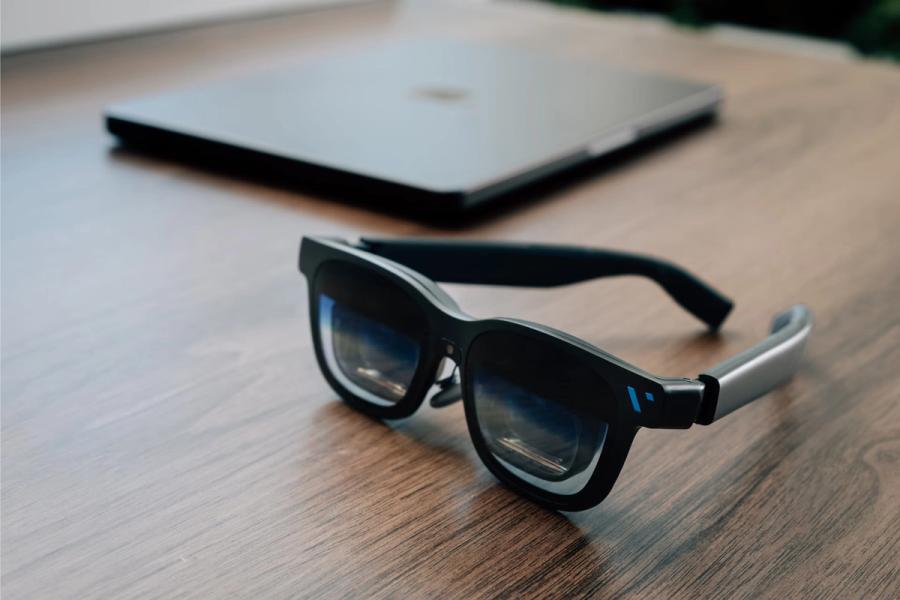
We work with the leading Smart Glasses manufacturers
This relationship allows us to gain early access to new devices, share private demonstrations with our clients and help them make decisions with a privileged view of how the market is evolving.
Which Smart Glasses suit you?
Not all smart glasses do the same thing. Some extend your screen, others assist you and others blend the digital with your surroundings. The key is to choose according to the use.
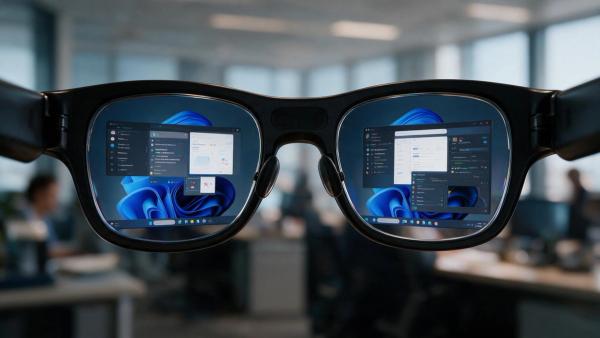
Visual Computing
Glasses connected to a device that act as an extended screen. They let you work, consume content or boost productivity without relying on physical monitors.
› Virtual screen where you need it.
› Connected to mobile, tablet or PC.
› Focus on productivity and consumption.
› Use cases: office, multimedia, gaming, mobility.
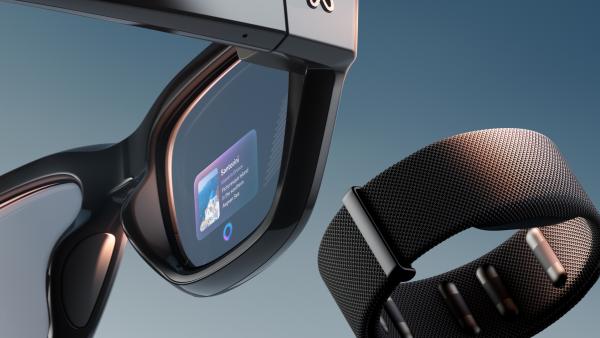
AI Multimodal
Devices focused on intelligent assistance. They capture the environment to offer useful contextual information through audio or lightweight monocular displays.
› Real-time contextual assistance.
› Environment capture (vision and audio).
› Wireless connectivity with smartphone.
› Use cases: personal productivity, basic support, digital assistants.
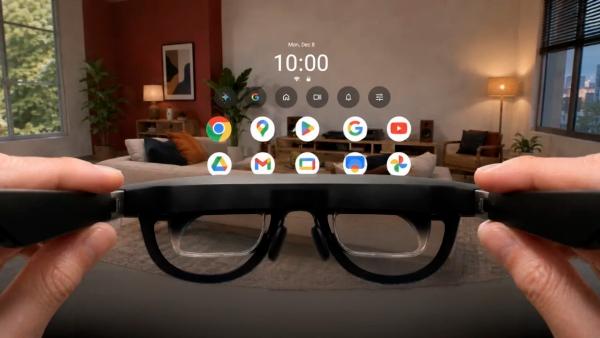
Spatial Computing
Advanced glasses that integrate digital content into real space with positioning. They represent the evolution towards more complex, immersive experiences.
› Integration of content in space (6DoF).
› Recognition of the environment and objects.
› Interaction with 3D models and digital twins.
› Use cases: industry, advanced training, spatial planning.