Case Study: Albalate del Arzobispo
Digital Musealisation of the Castle-Palace: an active dialogue between the visitor and the architecture through immersive technology

Image from La COMARCA: Digital newspaper of the Bajo Aragón Histórico.

Cliente
Albalate del Arzobispo town hall

Technology
Virtual Reality
The project
The Castle-Palace of Albalate del Arzobispo is one of the most significant monuments of Aragonese heritage architecture. As a tangible example of its history, it has undergone multiple architectural transformations, structural losses and successive renovations over the centuries, from its medieval and Islamic origins, through Gothic remodelling in the 14th and 15th centuries, to Renaissance interventions in the 16th century.
As a result of this historical evolution, the Castle-Palace can be extremely complex for visitors to interpret at first sight. For this reason, the Albalate del Arzobispo Town Council, in coordination with the Centro de Estudios del Bajo Martín, set out to develop a museum and architectural interpretation and outreach project that would help both visitors and tourists, as well as local residents, understand this historical process in a clearer and more accurate way.
This project was funded by the Institute for Just Transition (ITJ) within the framework of the Recovery, Transformation and Resilience Plan, aimed at revitalising and boosting municipalities affected by the energy transition through digitalisation, culture and sustainable tourism.

Image from La COMARCA: Digital newspaper of the Bajo Aragón Histórico.
The objective: accessible interpretation and a less complex visual understanding
The main objective of this project has been to transform the visitor experience through the implementation of a cutting-edge immersive musealisation system, capable of acting as an interpretive and interactive tool in which the user becomes the protagonist, interacting with the history that the museum seeks to tell.
Preserving the castle's stones and physical remains did not guarantee that visitors would be able to fully understand the monument. Many of its rooms, key structures and decorative elements from different periods had disappeared or become fragmented over time. For this reason, virtual and 3D reconstruction work was essential to help visitors understand what the architecture conveys, as if they were actually standing before the monument in past periods.
The aim is to transform historical interpretation into a tourism and cultural experience that makes what no longer exists visible, combining learning with a playful experience in which visitors can understand complex concepts through interaction and an educational, engaging immersive experience, while always maintaining scientific rigour.
This allows us to reconstruct the past from the present, enabling visitors to experience and explore the monument as if they were its former inhabitants, discovering the different historical and architectural phases of the castle throughout the centuries.
By combining technology and heritage, we provide the municipality with a first-class tourism resource and a model of technological innovation applied to cultural dissemination and preservation.
The solution: a digital layer that complements the visitor's dialogue with the real architecture
To address these needs, INVELON developed the technical component and immersive content architecture for the First Phase of Digital Musealisation.
Creating a digital layer using Augmented Reality, 360º visualisations and interactive content has enabled visitors to engage in a dialogue with the Castle-Palace through technology, without replacing or altering its original heritage value.
The technological tools developed and implemented include:
- Interactive system on digital tablets: Implementation of a guidance and interpretation solution using tablets that accompany visitors during self-guided or guided tours.
- Augmented Reality (AR) experiences: Overlaying 3D models and historical reconstructions onto the castle's real physical surroundings, allowing visitors to visualise vanished elements — such as architectural components of the chapel or details of interior rooms — directly over the current ruins or walls.
- 360º Immersive Recreation: Development of immersive experiences that allow users to "travel" through time from the castle's central courtyard, viewing the palace's volume and appearance during its different key historical periods (the medieval period, Gothic transformation and 16th-century renovations).
- Production of audiovisual and interactive content: Integration of an introductory audiovisual presentation and digital interaction points that enrich the visit with detailed explanations of the monument's evolution.
The result: a substantial transformation of Albalate del Arzobispo's cultural and tourism offering
The project developed for the Castle-Palace has enabled visitors to move from passive contemplation to an active and emotional understanding of the heritage and its history: characters, anecdotes and experiences that explain the development of the territory and the monumental building. Visitors do not simply observe walls; they understand what happened in each period and what the castle was like at the height of its splendour.
Translating archaeological and documentary evidence into 3D and audiovisual language, while maintaining the highest level of scientific accuracy, was a real challenge. It required continuous technical work to clearly distinguish historically documented elements from visual interpretative hypotheses. This project has demonstrated that immersive technology (VR/AR) can perfectly complement scientific rigour, and that the two can work together to revalorise heritage in many municipalities.
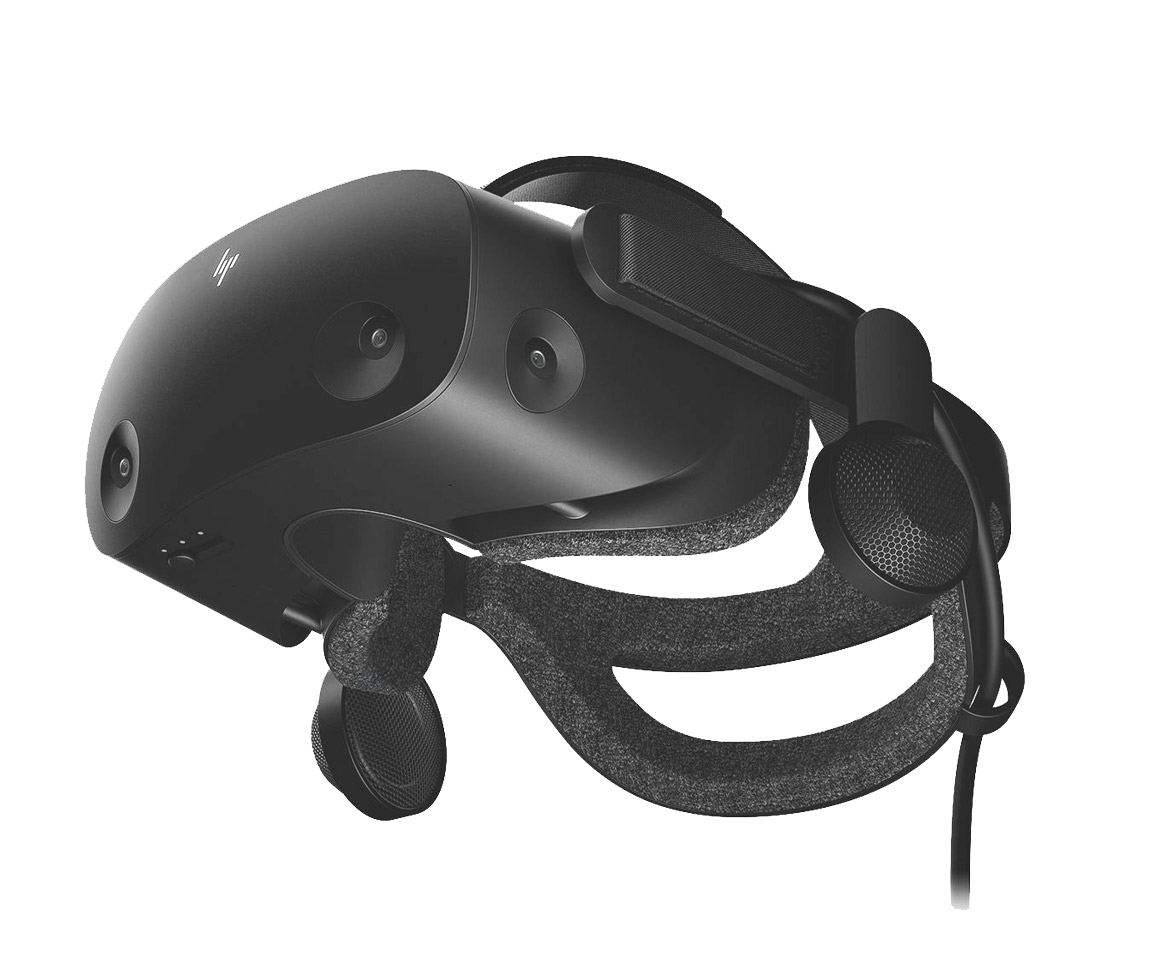
In subsequent phases of the project, a permanent videomapping system on the main façade, an immersive virtual reality room, smart signage and advanced audio guides are planned.

Image from La COMARCA: Digital newspaper of the Bajo Aragón Histórico.