Case Study: La Seu Vella
An immersive reconstruction of Lleida's heritage


Client
Consorci del Turó de la Seu Vella & Paeria de Lleida

Technology
Virtual and Mixed Reality

Solution
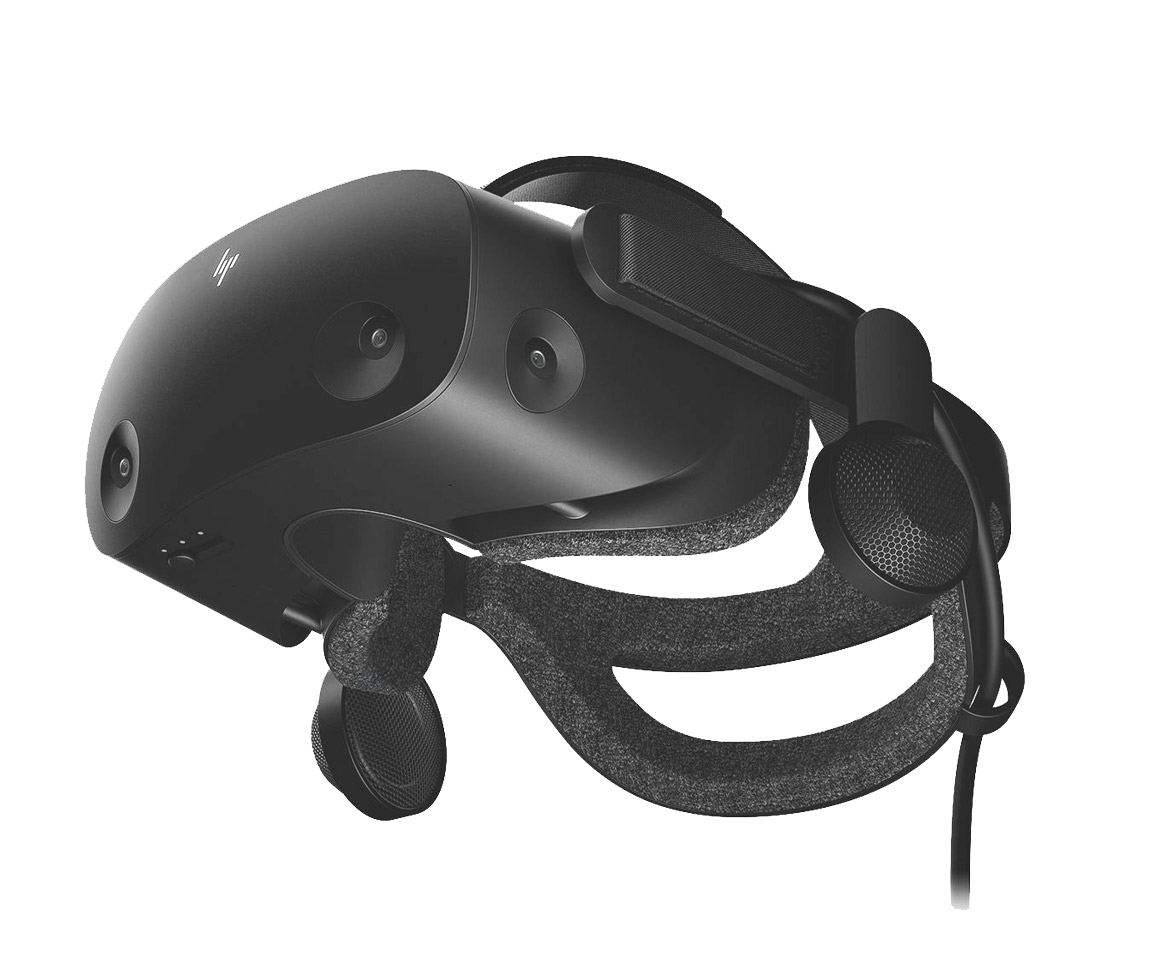
Pico 4 Ultra Enterprise
About the City Council of Lleida and the Turó de la Seu Vella Consortium
In the project “La Seu Vella - Realitat Retrobada,” the City Council of Lleida and the Turó de la Seu Vella Consortium are joining forces to revolutionize heritage outreach.
Together, they are embracing immersive technology to recreate the medieval splendor of the cathedral, allowing tourists and future generations to visualize and understand an artistic legacy that had physically disappeared.
The need to make the invisible visible
The client faced a significant challenge in terms of both public outreach and heritage preservation: how to explain and make visible to visitors the original splendor of a monument that has lost its interior decoration?
- Lack of imagination: for the modern visitor (and especially for younger ones), it is very difficult to walk into an empty stone cathedral and imagine that five centuries ago it was completely painted and filled with works of art.
- Evolution of the format: initially, the idea of creating a traditional video mapping projection on the walls was considered. However, they needed something more profound, immersive, and not dependent on the building’s lighting conditions.
- Tourist and educational attraction: they needed an engaging tool to boost tourism and bring local history to teenagers and students in a way that connected with their digital habits.
Our solution and technological contribution
At INVELON, we have proposed replacing the concept of a projection—which is limited to the existing space and remaining ruins—with an immersive journey through time using Virtual Reality (VR) and Mixed Reality (MR).
- The technological contribution: it allows for the digital reconstruction of lost heritage without touching, altering, or damaging a single stone of the actual monument. It provides the ability to visually and auditorily “teleport” the user to the 15th and 16th centuries.
- Historical accuracy: the technology does not merely provide a “visual spectacle,” but serves as a canvas for scientific outreach. Everything digitally recreated (colors, architecture, tapestries) has been scientifically validated by the Turó de la Seu Vella Chair at the University of Lleida (UdL) and the Museum of Lleida.


The result: from stone to medieval splendor
The result is a 7-minute guided and immersive experience (currently in its pilot phase) set within the monument complex itself (initially in the Sala de la Canonja).
- Immersive group tours: stations have been set up to accommodate groups of 10 people at a time.
- An unforgettable tour of the Seu’s key spaces: the main altar, the transept, the choir, the stained-glass windows, and the cloister, showcasing the magical transition from the current state of stone to the vibrant medieval/Renaissance cathedral.
- Custom design: the content has been designed to be scalable, with script adaptations for general, children’s, and academic audiences.
Benefits of this collaboration with INVELON
The immersive experience “La Seu Vella – Realitat Retrobada” marks a turning point in heritage management. More than just a tourist attraction, it is a cross-cutting tool with high added value for the city, offering significant cultural, tourism, educational, and accessibility benefits. These are some of the main ones:
- Tourism innovation: it positions Lleida and La Seu Vella at the forefront of European heritage tourism, offering a premium experience that attracts new types of visitors.
- Historical understanding: it addresses the issue of abstraction. Seeing the heritage reconstructed on a 1:1 scale in person creates an emotional and educational impact that a text panel cannot match.
- Accessibility and inclusion: the project is multilingual from the start (Catalan, with upcoming additions in Spanish, English, and French), which facilitates the monument’s internationalization.
- Preservation of memory: it serves as an immersive digital archive of the knowledge accumulated by historians and archaeologists over decades.