What is Virtual Reality?
To understand how VR works, it is important to know that it combines hardware and software to generate a completely immersive and realistic experience.
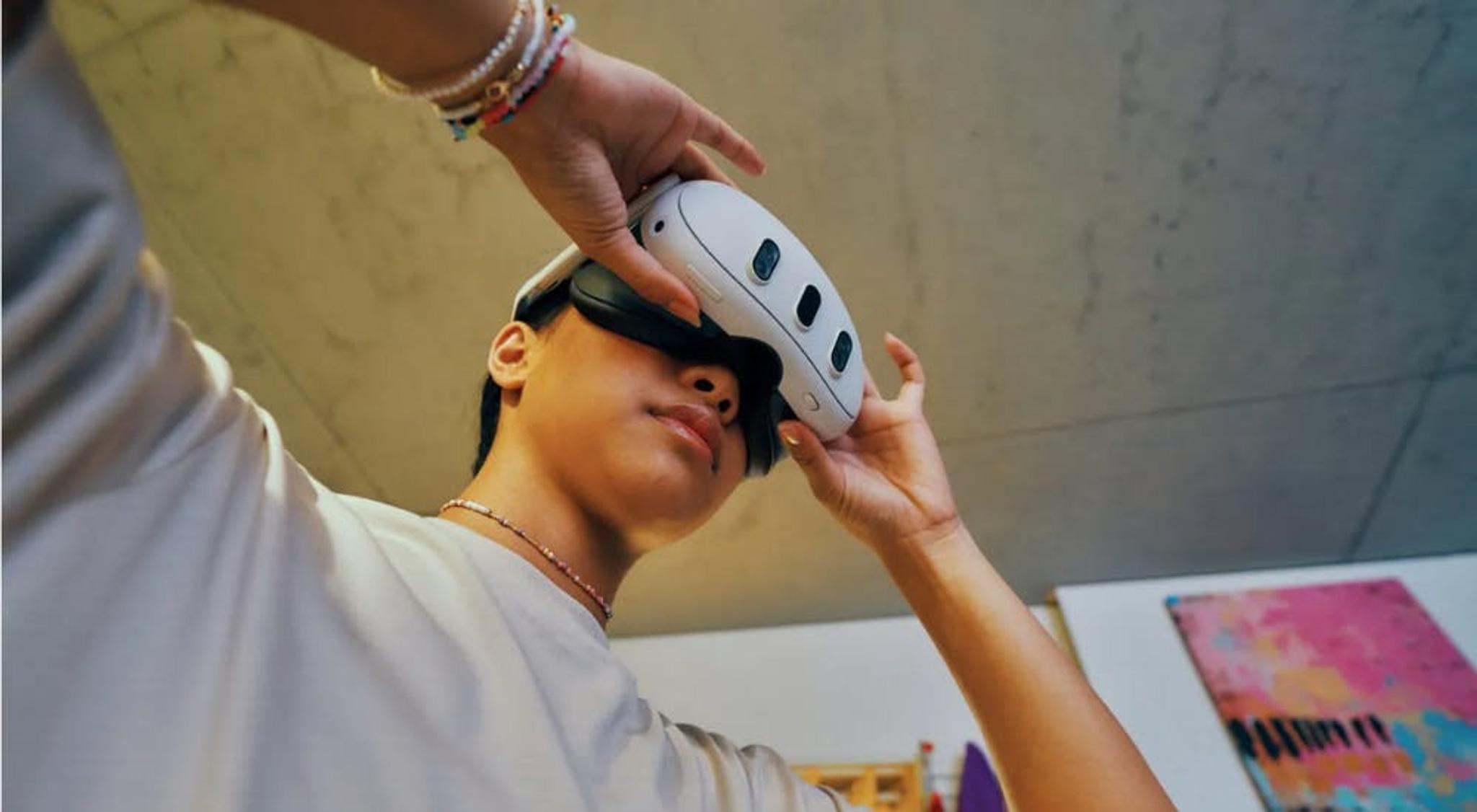
Virtual reality (VR) is a technology that simulates three-dimensional environments that look like something out of a science fiction film, but which today are a reality within everyone's reach.
Through devices such as virtual reality headsets, a virtual world is created from scratch, which we can interact with, entering it and moving completely away from reality in an immersive way, as if we were really there.
At INVELON, we specialise in creating technological solutions that transform sectors such as education, industry and medicine through virtual reality.
How does virtual reality work?
To understand how virtual reality works, it is important to know that this technology combines hardware and software to generate a completely immersive and realistic experience.
Main hardware components
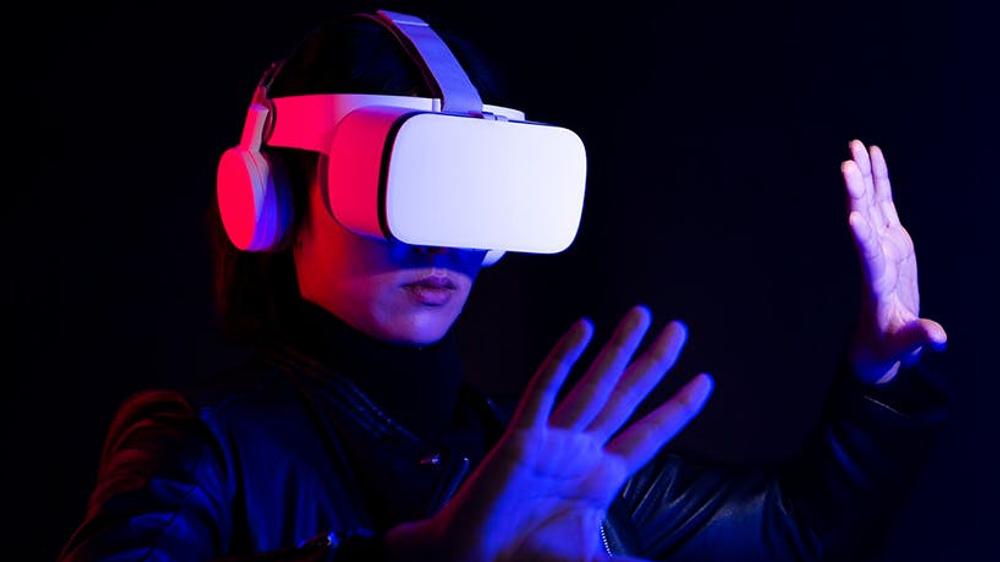
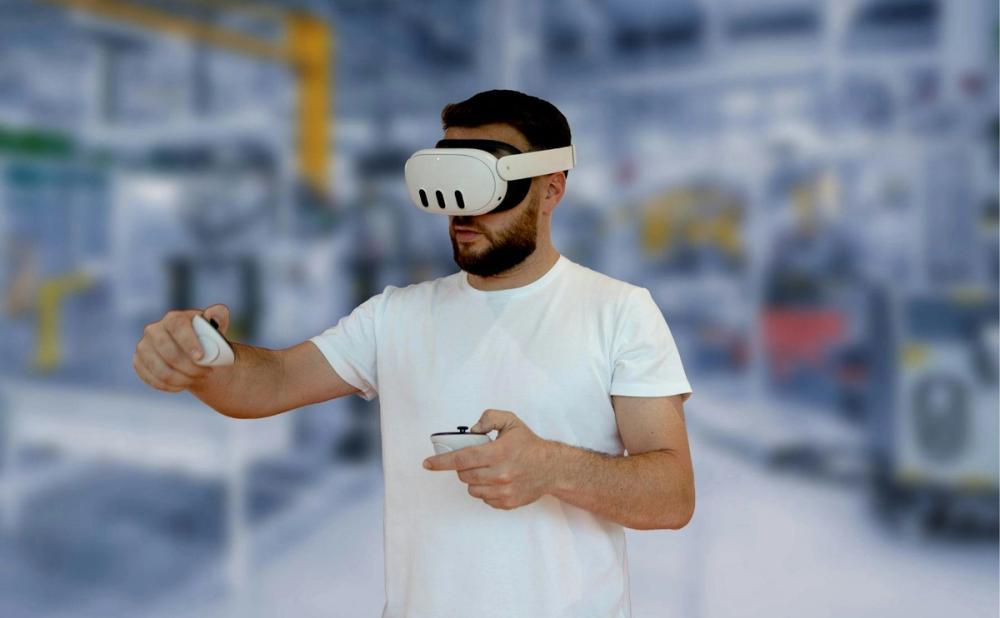
- Virtual reality headsets: they are the first step towards immersion. VR headsets are equipped with screens and sensors that adjust the image according to head movement, creating the feeling of being physically inside the virtual environment.
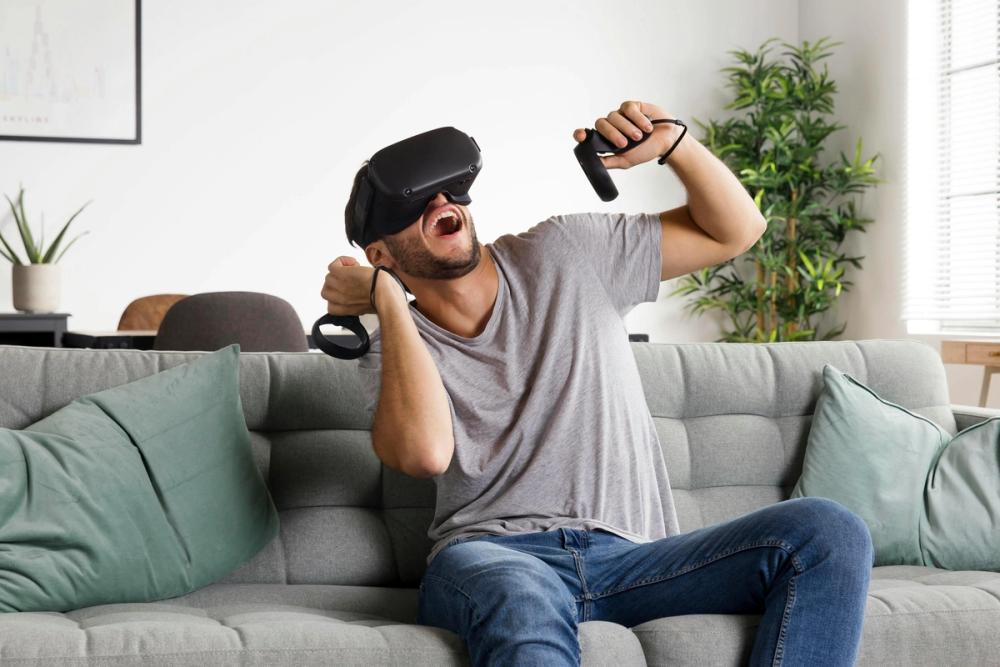
- Motion controllers: to interact with what surrounds you, controllers are essential. These handheld devices detect hand movements and translate them into actions within the digital world, such as grabbing an object, throwing a ball or operating a mechanism.
- Sensors and cameras: they are responsible for recording the user's position in real space. This allows movement within the virtual environment without losing the physical reference, ensuring that the VR experience is smooth and natural.
- Spatial sound: VR systems usually incorporate three-dimensional surround sound, which varies according to the user's position or the source of the auditory stimuli within the virtual world. This type of sound reinforces the sense of realism.
Software as a central part of the experience
Generating virtual environments would not be possible without software. Software is responsible for creating and managing the virtual world you see, coordinating the user's movements with actions within the environment and setting the rules of interaction.
Depending on the objective, software can be geared towards different purposes, adapting it to each specific need. From educational applications and professional simulators to hyper-realistic games, software makes it possible to:
- Generate images and animations in real time adapted to the user's movements and decisions.
- Translate physical actions (such as moving the head or pressing a button) into responses within the virtual environment.
- Synchronise all the devices in the system, ensuring that the experience is smooth, coherent and safe.
What do I need to use virtual reality?
Suitable equipment/hardware
The first step is to have a device that is compatible with the applications you want to use. This can range from standalone headsets, such as the Meta Quest, to more advanced systems connected to powerful computers that allow greater graphical fidelity and processing capacity.
Quality content
Having the right hardware is not much use if you do not have relevant, well-developed content. The real value of virtual reality lies in the environments and experiences it can offer. Whether it is a VR simulator, an educational tool or a professional training environment, it is essential that the software is well optimised, functional and meets the user's objectives.
Connectivity and physical space
Most virtual reality experiences require a stable internet connection, especially when it comes to cloud-based content or multiplayer platforms. In addition, it is essential to have a physical space free of obstacles, which allows the user to move safely and comfortably while immersed in the virtual environment.
Training and technical support
It is not enough to set up a headset and start using it. Implementing virtual reality properly requires a minimum of training to understand its possibilities, limitations and best practices. Likewise, having technical support means that any difficulty or incident can be resolved quickly, avoiding interruptions and improving the overall experience.
At INVELON we offer a comprehensive service supporting you at every stage of the process. From expert advice to the implementation of these technologies, our goal is to guarantee an effective, straightforward and centralised technological transition.
Main applications of virtual reality
One of the great advantages of virtual reality is its versatility. Far from being an exclusive technology, its applications cover sectors as varied as education, medicine, industry and business.
Education
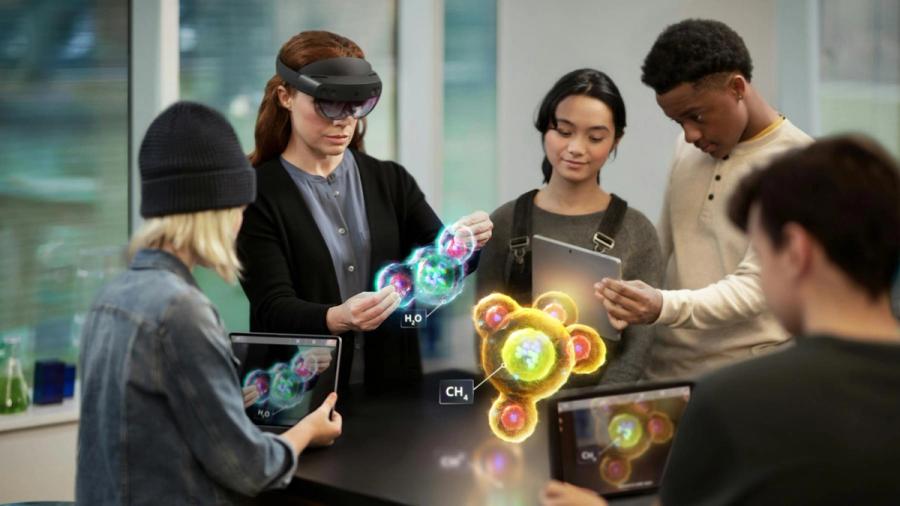
Virtual reality is transforming the education sector. Thanks to immersive, interactive environments, students can understand complex concepts in a visual and practical way. It also allows them to face real scenarios without risk, developing skills and improving student motivation.
Business
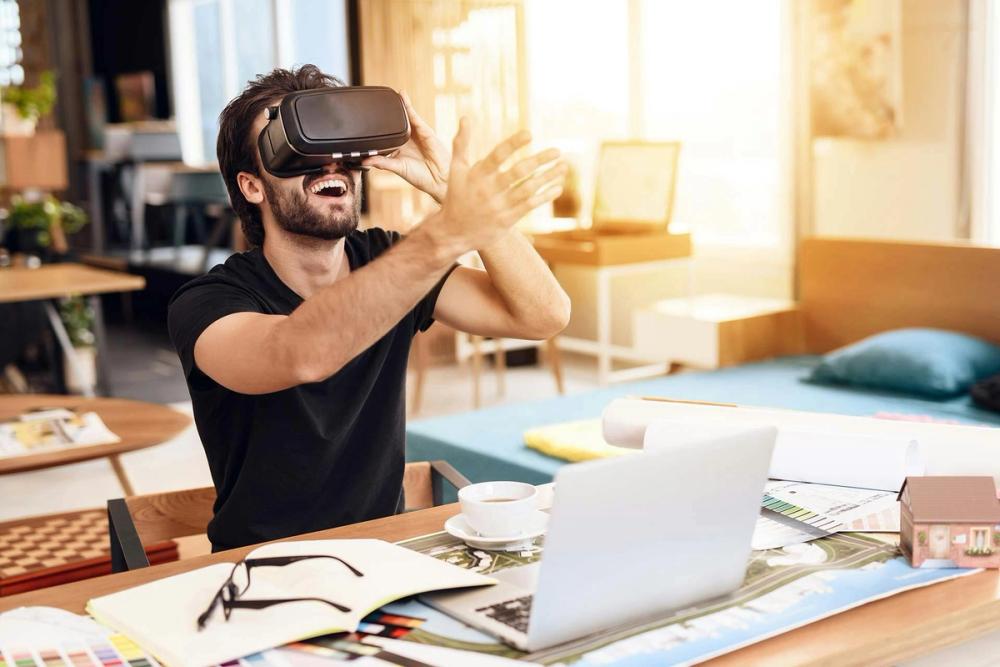
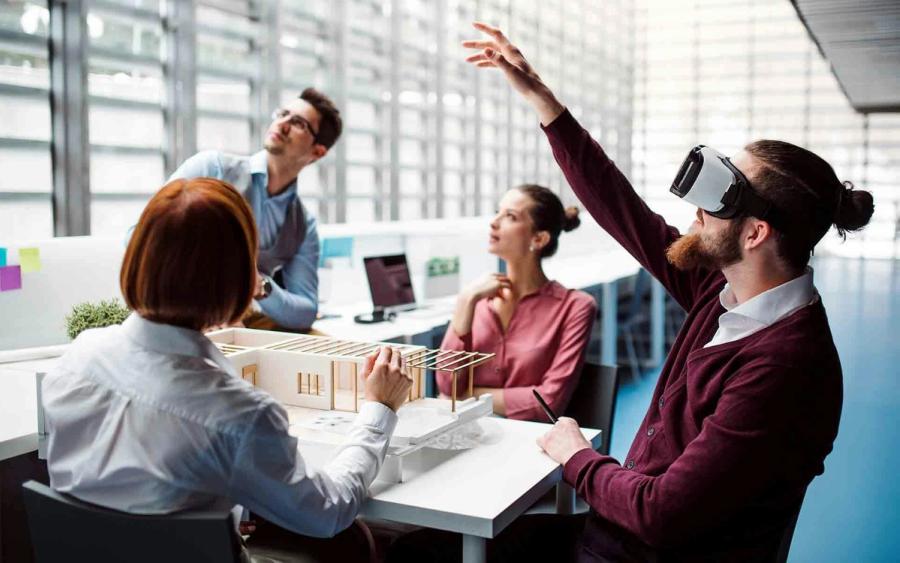
In the business environment, VR makes it possible to optimise processes, reduce costs and improve decision-making. Some of its applications include training employees in complex or risky tasks, designing and reviewing products in 3D, immersive project presentations for clients and the creation of virtual workspaces for remote teams.
Entertainment / Gaming
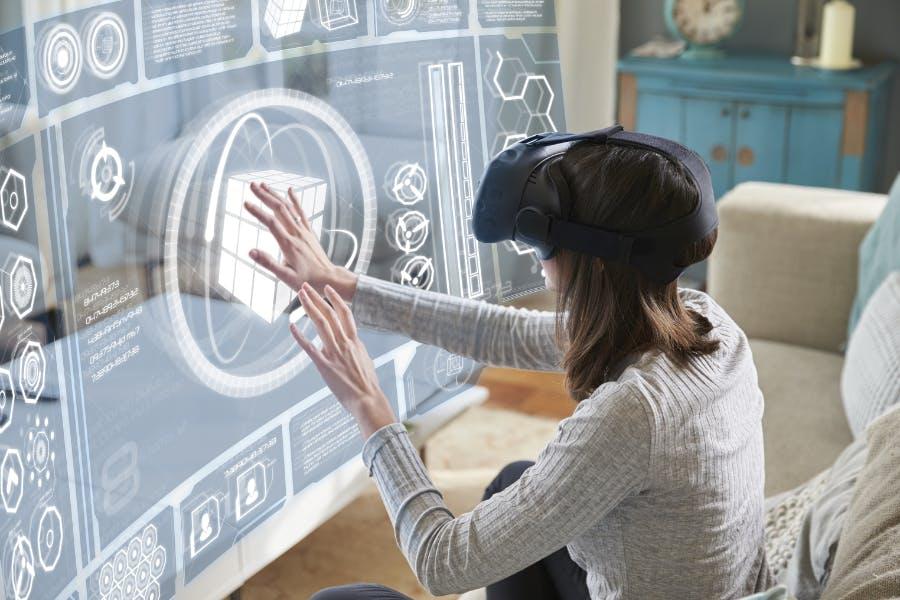
The entertainment sector was one of the first to adopt this technology. Virtual reality games offer a much more immersive experience by allowing users to become an active part of the environment, interact with it and live adventures from a completely new perspective.
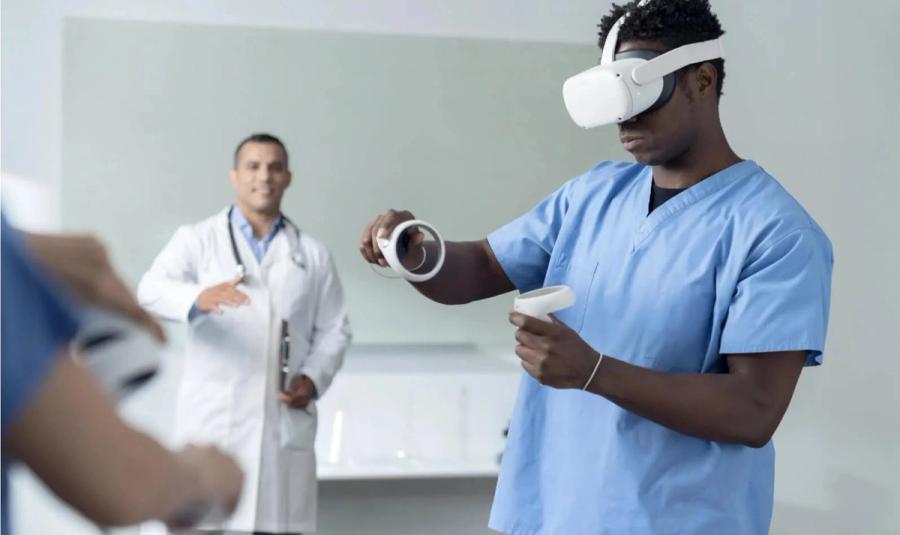
Healthcare
In the healthcare sector, virtual reality has opened up new possibilities in treatments and therapeutic processes. It is used in physical rehabilitation, where patients carry out exercises in controlled, motivating environments, as well as in psychological therapies to treat phobias, anxiety or post-traumatic stress disorders.
Types of virtual reality devices
The variety of virtual reality devices available on the market makes it possible to adapt this technology to different needs. Below, we present some of the most widely used at present:
Standalone virtual reality headsets
These all-in-one headsets are one of the most accessible and popular options. The Meta Quest 3S is one example, as it integrates all the necessary hardware into a single device: screen, motion sensors, audio and operating system. In addition, although they can be connected, they do not require a connection to a computer or external sensors, which makes for a more comfortable, portable user experience.
PC-connected VR headsets
This type of device is designed to offer more advanced experiences with superior graphical quality. Although most VR headsets today are standalone, some models also work connected to a powerful computer that handles data processing and graphics rendering. They require more setup and space, but are ideal for technical simulations, professional 3D design or high-fidelity video games.
Virtual reality simulators
Beyond headsets, there are virtual reality platforms or simulators that offer highly realistic training pods. They can include mobile structures, controllers with haptic feedback or even mixed reality systems that combine elements of the physical environment with the virtual world.
At INVELON we have a wide variety of simulators adapted to each professional field, such as automotive, mechanics, medicine, safety and risk prevention, hospitality and new technologies, among others.
The future of virtual reality
Far from being a passing fad, virtual reality is establishing itself as a transformative tool. Its impact is already being felt across multiple industries, and forecasts point to continued growth, in terms of technological capability as well as the number of users and use cases. Some of the key trends in its evolution include:
Improvements in visual quality and interactivity
Screen resolution is expected to keep increasing, offering sharper, more realistic images. At the same time, new, more natural forms of interaction will be integrated, such as eye tracking, gesture recognition or voice control, allowing more intuitive and accessible experiences.
Lighter, more comfortable and more affordable devices
Virtual reality headsets will become ever lighter, more ergonomic and more affordable. This will make them easier to adopt, both in homes and in companies of different sizes.
Expansion of applications in key sectors
VR will continue to expand its presence in sectors such as education, healthcare, engineering, tourism and architecture. For example, an increase is expected in the use of clinical simulations for medical students, among others.
Integration with other emerging technologies
Virtual reality does not advance alone. In the coming years, it will be increasingly integrated with technologies such as artificial intelligence, the Internet of Things (IoT), augmented reality (AR) and the metaverse. This convergence will make it possible to create even more dynamic, personalised and connected experiences.
Benefits and advantages of virtual reality
The benefits of virtual reality are countless, and many of them have the potential to transform the way we work, learn and enjoy ourselves. Among the most notable are:
Total immersion
The feeling of being inside a digital world is incomparable, making the experience far more intense and engaging
Interactivity
You can interact with the virtual environment in a completely natural way, which improves the experience and your connection with what you are doing
Improved learning
Increases information retention thanks to the interactive, immersive experience
Accessibility without physical barriers
The ability to access virtual environments from anywhere removes physical barriers, enabling remote learning and collaboration
A boost for innovation
Virtual reality is opening up new forms of learning, entertainment and collaboration
Customisation of environments
Virtual scenarios can be adapted to each user or specific situation, increasing the relevance and effectiveness of the experience