Simulation of dangerous situations with Virtual Reality
Virtual Reality can also be used to simulate dangerous situations, with the aim of preventing potential occupational risks.
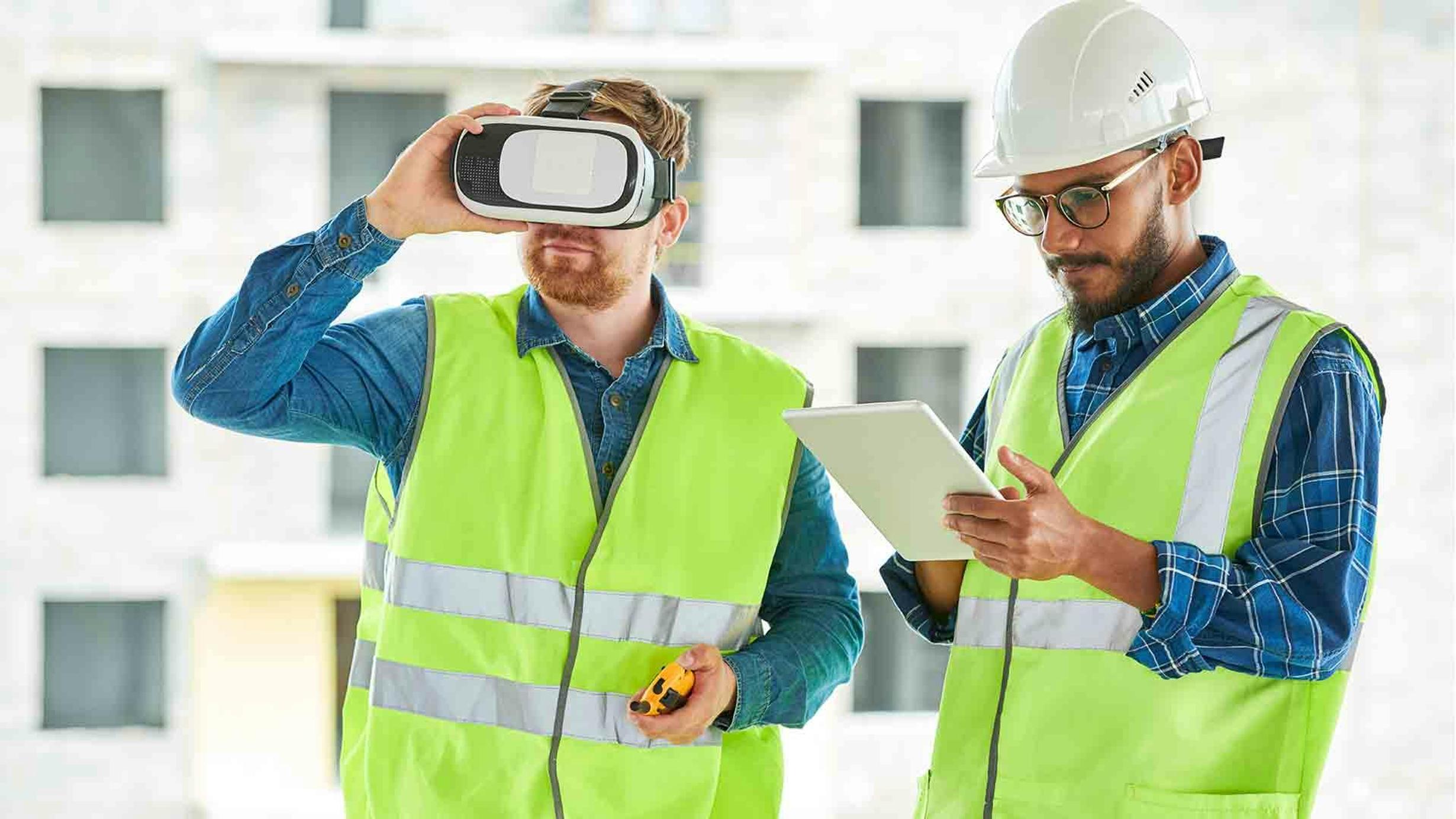
Virtual Reality has been used for several years to show us new situations, places and experiences. Total immersion that lets us enjoy seeing the world from another perspective, thanks to the headsets and other Virtual Reality devices. Among these new virtual experiences, we are also offered extreme challenges through images, placing us on top of the tallest building in the world, riding a roller coaster and putting us in high-risk situations in general, without, of course, us having to be in any danger.
But all these first-person experiences are not just for fun: they are also a great help to companies and their employees, using Virtual Reality to simulate dangerous situations in order to prevent potential occupational risks.
Today, at INVELON Technologies we explain how to carry out the simulation of dangerous situations with Virtual Reality and what all its benefits are.
How is Virtual Reality used to simulate dangerous situations?
Many workers are exposed to dangerous situations every day, and the occupational risks that exist can be numerous: physical, environmental, chemical and even psychosocial risks. Every company or business has a duty to prevent these types of risks as far as possible, teaching workers the best solutions for any dangerous situation.
In this respect, Virtual Reality has become a great tool for preventing all these occupational risks. Workers are exposed to simulations of dangerous situations through Virtual Reality to see how they react and help them choose the best option. This exercise can take the form of a tutorial, showing how to act in each situation; and also an assessment mode, testing workers so that they choose the best solution themselves. Either way, the worker uses Virtual Reality headsets to view a specific dangerous scene or situation and learn to react in the right way.
A clear example is the emergency services, who are exposed to dangerous and even extreme situations every day. (Firefighters putting out fires, police officers facing shootings or violent robberies, and ambulance technicians who have to help the injured in a traffic accident). Virtual Reality can help them learn how to react in these situations and prevent possible mistakes. But occupational risks can exist in any company, and thanks to the simulation of dangerous situations with Virtual Reality, builders and bricklayers can also climb onto the roof of any building, chemists can handle toxic substances and even doctors can practise open-heart surgery, in a safe, virtual way, always simulating a scenario that could happen in real life.
In conclusion, Virtual Reality offers personal training for possible dangerous situations that could happen at any moment of a working day. An exercise that tests workers to prepare them and give them the experience they need when they come across these situations at work, but this time for real.
Benefits of using Virtual Reality to simulate dangerous situations
The benefits of using Virtual Reality to simulate dangerous situations are enormous, helping workers and companies improve their working practices and position themselves as experts in their sector:
- Dangerous situations in a safe environment
With Virtual Reality, workers can practise and learn complex procedures without being in any danger. All these dangerous situations are simulated and therefore practised in a safe environment, giving them the confidence they need to face them later, in real life. - Acquiring new behaviours in real dangerous situations
Practising possible dangerous situations through Virtual Reality allows workers to acquire the correct behaviour in a real dangerous situation. And the similarity of Virtual Reality scenarios to real life is a point in favour, helping workers learn properly how to react in each case, feeling safe and confident in doing so. - Lower costs in occupational risk prevention
Of course, although Virtual Reality involves an initial investment, the subsequent reduction in occupational risk prevention costs is more than considerable. The reason? We can simulate endless situations of any kind in the same virtual space, instead of having to simulate them in real settings one by one, from scratch, and with the investment that entails. - Monitoring and statistics on workers' progress
In addition, Virtual Reality makes it possible to save and assess the progress of workers who are exposed to simulations of dangerous situations, monitoring their reactions and helping them improve progressively. And being able to gather statistics also helps to define the work path much better, identifying wrong decisions and correcting them in order to improve. - Fewer accidents and/or occupational risks
All the uses and benefits of Virtual Reality in dangerous working situations lead to the most important outcome: a reduction in possible workplace accidents. With a team of prepared workers who have learned how to react in each situation, we ensure the least exposure to dangerous reactions, protecting people and making them feel safer too.
Other applications of Virtual Reality in the world of work
As we can see, Virtual Reality (as well as Augmented Reality) is a unique and highly beneficial technology for any company, ensuring the best safety and preventing any occupational risk. But are there other uses for Virtual Reality in business? Of course! These technologies can be applied and be of great help in many industries:
- Design departments
- Logistics and warehouse management
- Architecture
- Industrial Maintenance
- Museums
- Cultural heritage
- Education
- Advanced information visualisation
- Product catalogue
- Training and protocol
Whatever your industry, at INVELON Technologies we want to help you discover all the benefits that Virtual Reality can bring to your company or business. Good technology, and especially good use of it, will help you and your team to improve and keep your position, constantly evolving at the pace at which our society also evolves.