How has Virtual Reality helped the economic recovery of the tourism sector?
Thanks to technologies such as Virtual Reality and Augmented Reality, the tourism sector has managed to speed up its economic recovery.
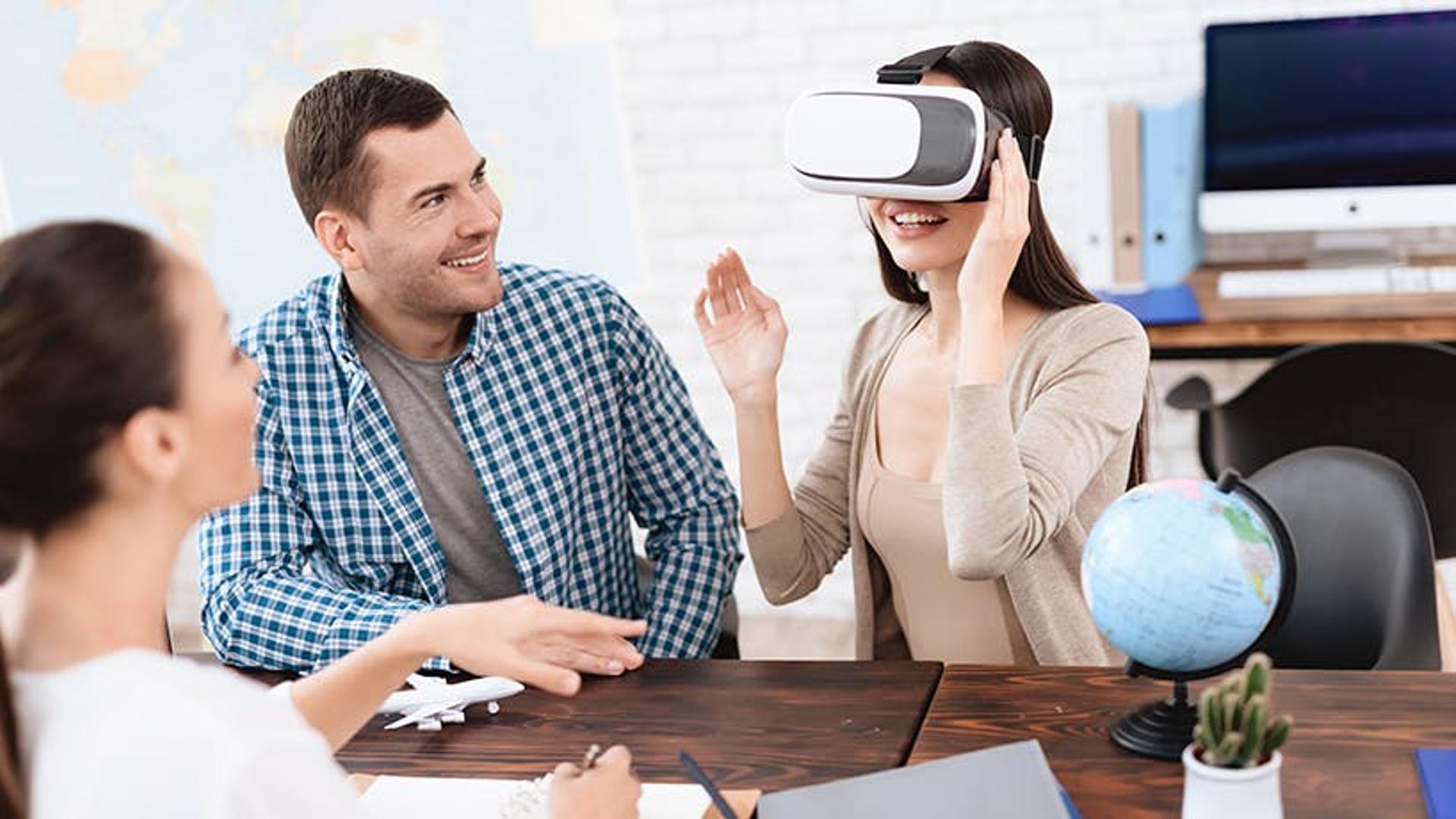
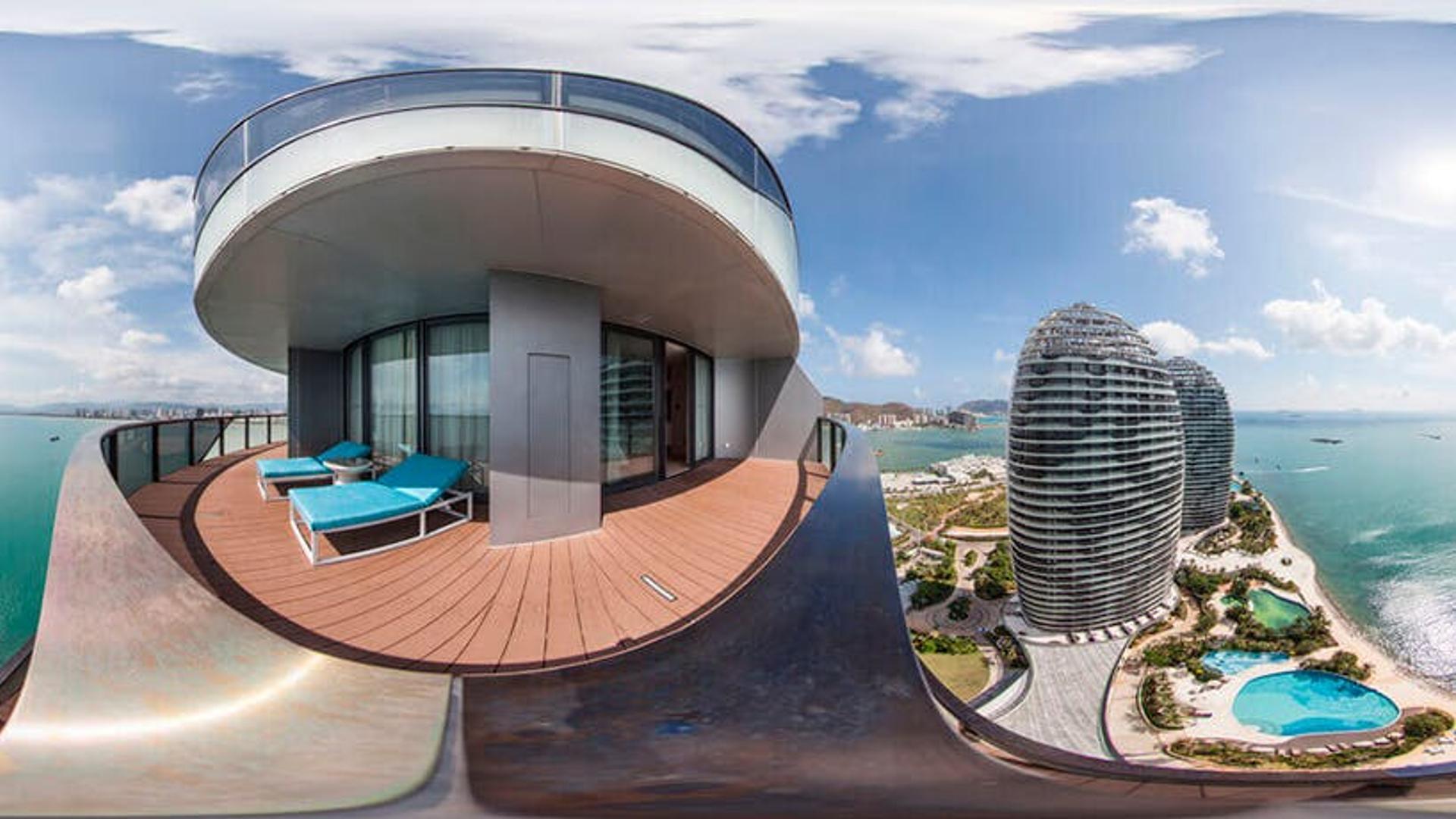
Can you imagine what it would be like to visit your favourite cities without leaving your home? Or to see a 360º view of the hotel room where you are going to stay? Technologies such as Virtual Reality allow you to venture into any part of the world, with just a headset and a desire to discover new places.
Tourism has been one of the sectors most affected by the consequences of the pandemic. Facing a situation of uncertainty has meant that a great many companies have quickly adapted to the solutions offered by technology.
In this case, the integration of technology has been a decisive factor in speeding up the economic recovery of the tourism sector. It has also been important in helping the companies within it to increase their competitiveness in the market.
The trend has been clear: immersive technologies, such as Virtual Reality and Augmented Reality, have been integrated with the aim of boosting tourism marketing, offering new, more immersive options to consumers who are interested in booking a tourism service.
How have travel agencies and tourist offices reinvented themselves?
Travel agencies and tourist offices have been the players in the tourism sector most affected by the global pandemic. These companies were already coming from an unfavourable situation due to the rise of online travel agencies and periods of inactivity caused by mobility restrictions, and all of this has meant that they have taken a different direction.
Technologies such as Virtual Reality are starting to have a positive impact on travel agencies and tourist offices, as they make it possible to showcase experiences in a much more immersive way than traditional media.
The aim is to create experiences in which the potential customer can see themselves immersed, offering content that is 100% personalised to their tastes and needs. In this way, their interest and curiosity grow, as do the chances that they will ultimately book the trip.
Some of these possibilities focus on generating resources so that potential customers can see their destination before travelling, offering 360º virtual tours of tourist attractions, accommodation or monuments⟧.
An example of these applications is the Ara Lleida case study, with whom we implemented the AR Catalogue solution, with the aim of promoting the 11 ski resorts of the Lleida Pyrenees in an interactive, dynamic way. In this way, potential tourists can enjoy an immersive experience before visiting the slopes.
Is it possible to travel without actually being there?
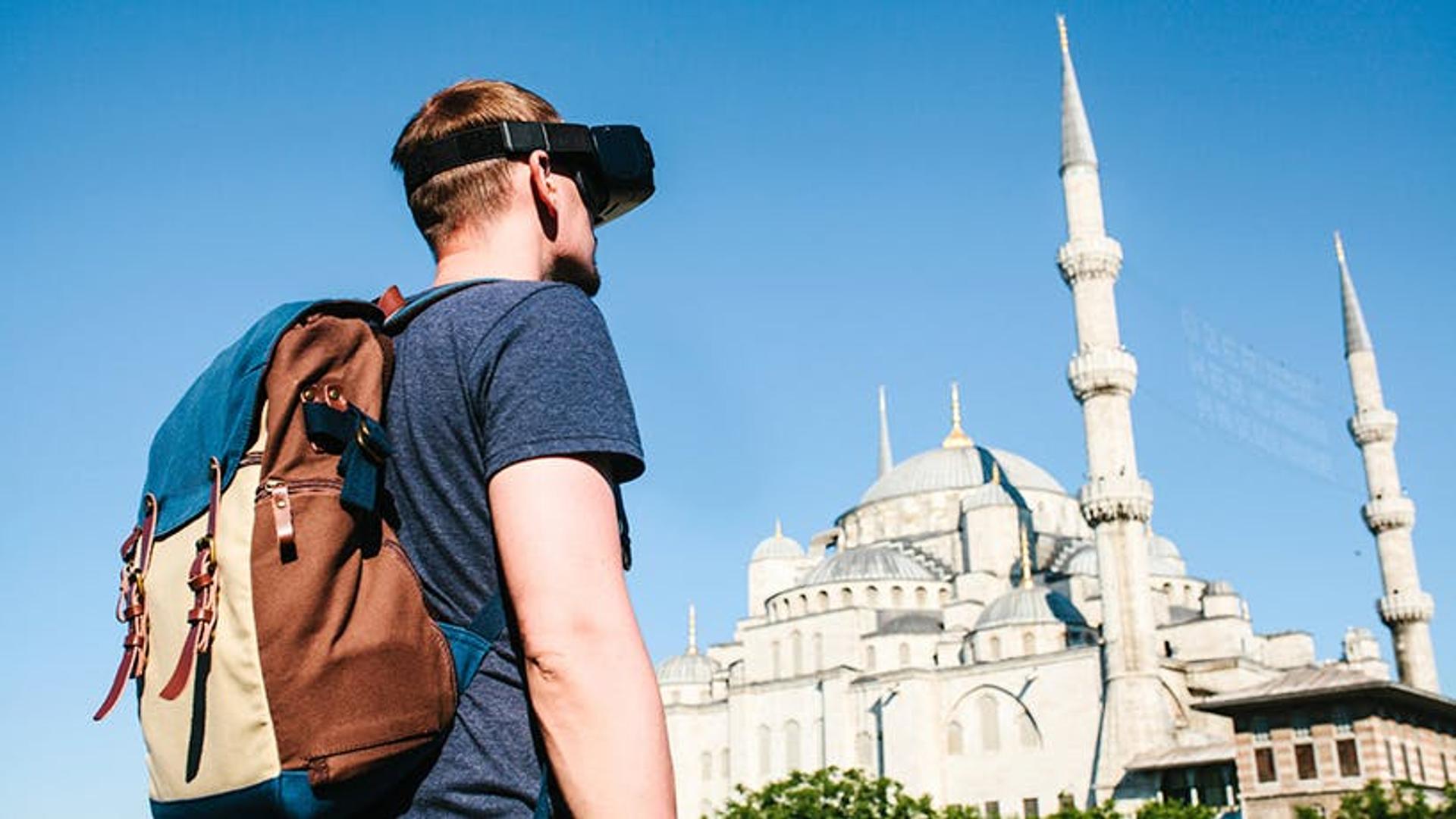
Virtual Reality allows you to explore any place around the world without leaving your armchair. This technology makes it possible to recreate tourist sites virtually, which can be accessed through a Virtual Reality headset. It is not just about viewing virtual tours, but about travelling virtually by interacting with the elements, as if it were an in-person activity.
What is more, travelling virtually is a completely sustainable activity that reduces the carbon footprint. It therefore fits perfectly with the concerns of society today and has been a very good alternative for tour operators.
That does not mean that tourism has to become a virtual activity forever, but rather that it is a boost to help the sector's economic recovery, offering alternatives that strengthen the competitiveness of the tourism sector, as well as new experiences for a more demanding consumer.
All that remains is to reflect on how Industry 4.0 technologies are carving out a place in society and how it is increasingly common to see them in more economic sectors because of the world of possibilities they open up.
Challenges faced by the tourism sector
Restrictions due to the pandemic
Tour operators have been financially affected by pandemic restrictions, resulting in the impossibility of travelling around the world. This factor has led the sector to rethink its activity, as travelling has always been conceived as an in-person action.
A new approach for the tourism sector
Although the industry has been forced to transform, at the same time it has been given the opportunity to reflect on what it offers and how it wants to steer the sector in the future. The conclusion they have reached is that they want to focus on sustainability, inclusivity, innovation and the fair distribution of benefits.
Generating interest in tourist attractions in Virtual Reality
Another of the challenges the tourism sector has faced is the need to generate interest in the new way of visiting tourist destinations. After all, it is a very new way of discovering tourist attractions and therefore must be promoted so that frequent travellers can get to know it.
Technological challenges
We are in a moment of change in which cutting-edge technologies such as Augmented and Virtual Reality, Big Data and Artificial Intelligence are transforming industries.
Big Data and Artificial Intelligence make it possible to offer customers personalised experiences and so make their trip more memorable, for example through interaction with virtual assistants when they arrive at a tourist destination. They also help with dynamic pricing according to customer demand.
Sustainability and ecological footprint
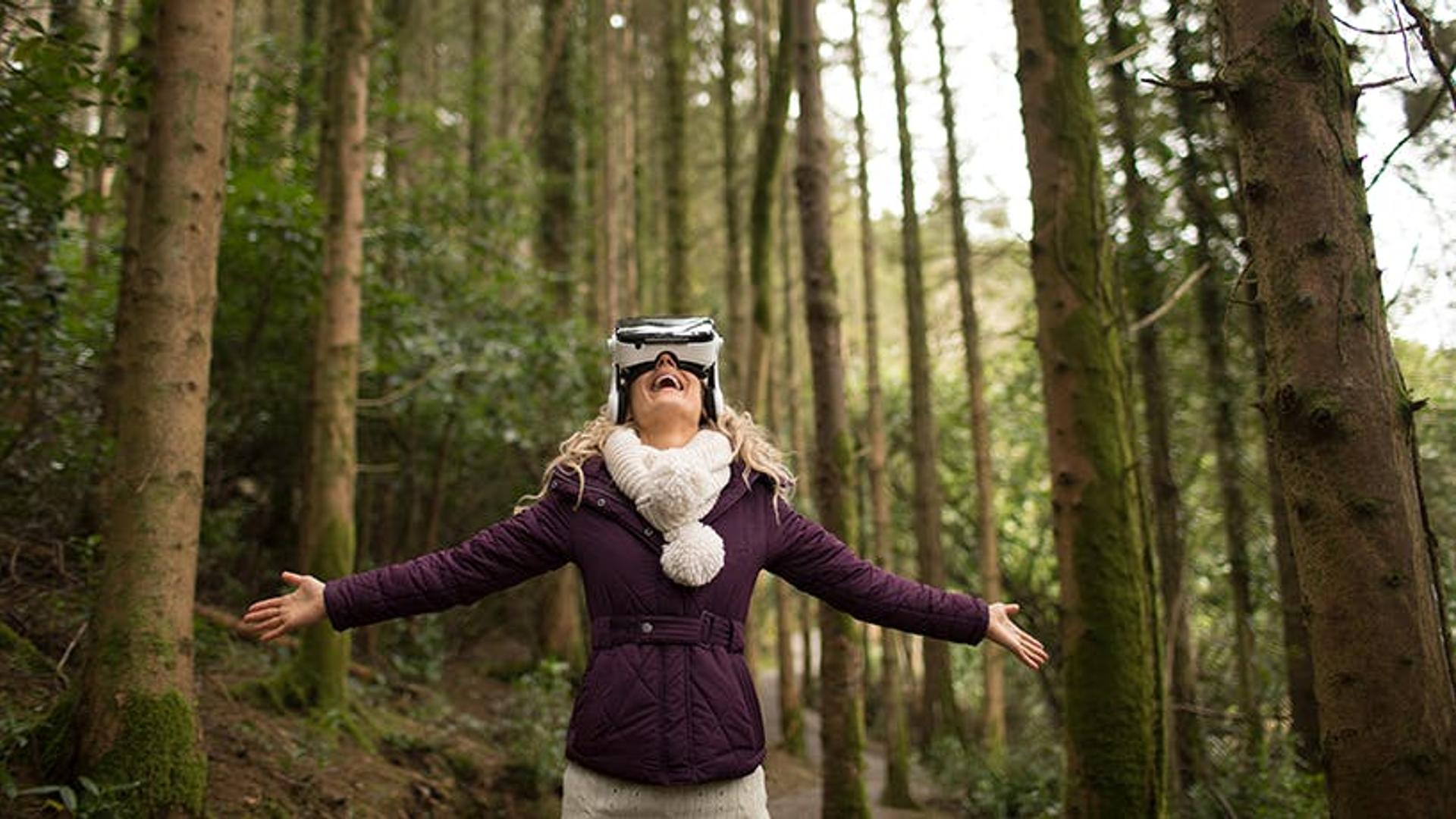
Tourism is one of the most polluting sectors, as it requires a large amount of energy and fuel. Virtual Reality is a good alternative for travelling sustainably, without the need to increase carbon emissions, since technological innovation and sustainability go hand in hand.
New health situation
The tourism sector must face the new medical situation. Applications to measure the distance between individuals in public places are already a reality and are being implemented faster than we think. There are also others that let you identify yourself at an airport without having to show any physical document.
Applications of Virtual Reality in tourism
- Visit unimaginable places such as space
- Travel to locations overexposed to tourism
- Promote tourist attractions by generating more interest in them
- Allows tourists to visit a destination before planning their trip
- Travel agencies can show hotels and other accommodation interactively
- Access museums and other tourist attractions from home
- Historical recreations that form part of cultural heritage can be visited
- It is an inclusive tool that enables people who cannot travel to do so virtually
Our solutions for the tourism sector
Showroom VR
Our Showroom VR solution is designed to create immersive projects to showcase any architectural project and interact with it. Users have complete freedom to move around the space, as well as to change the lighting, furniture, floors and walls, and the layout of the elements.
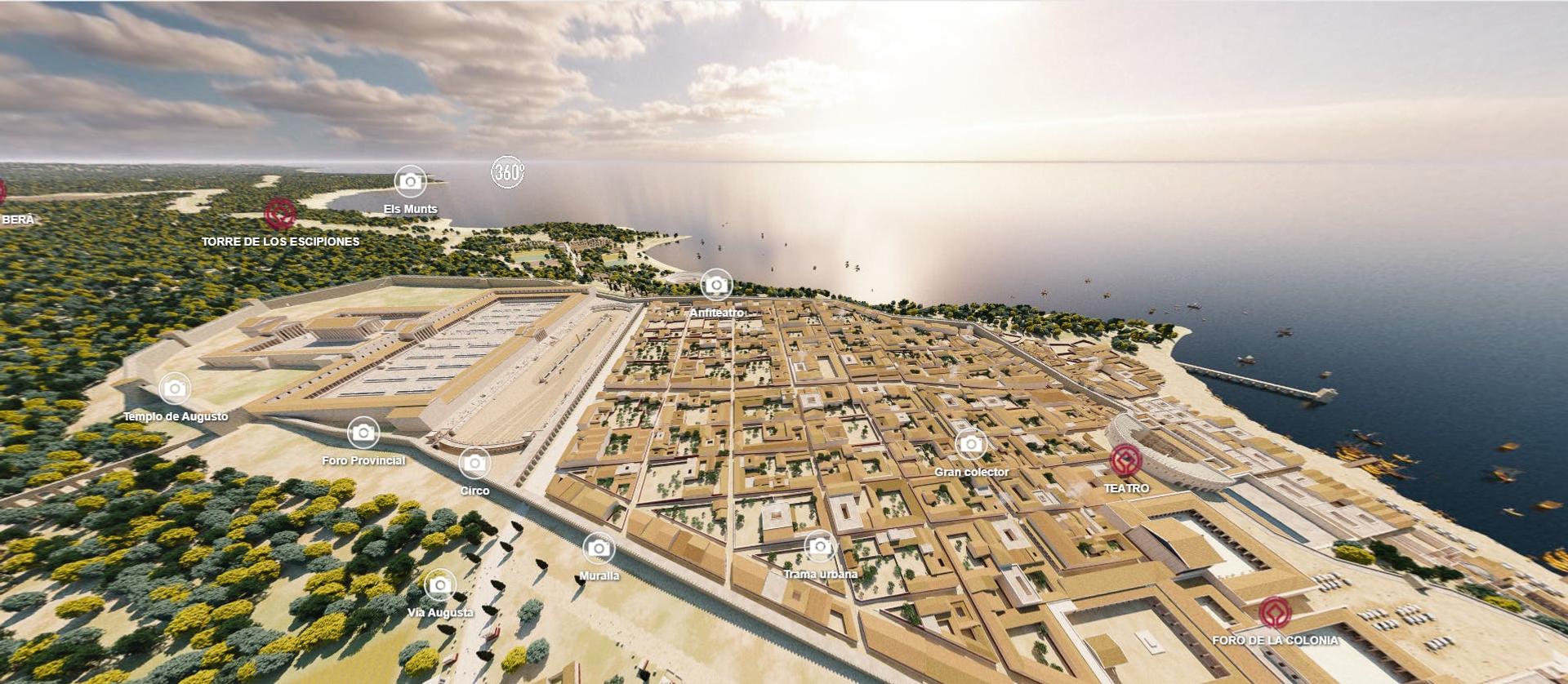
In short, thanks to Virtual Reality, the barriers of space and time cease to exist, so the possibilities for the sector multiply considerably. Moreover, integrating this technology has a positive effect on sustainability and on offering more attractive experiences for the customer.
And remember, technologies are not integrated to replace traditional tourism, but to add value to tourist experiences, increase the competitiveness of the sector and boost its evolution.