The most notable trends in the field of Virtual, Augmented and Mixed Reality
The virtual world will not replace the physical world, but we do need to find the best way for both worlds to coexist.
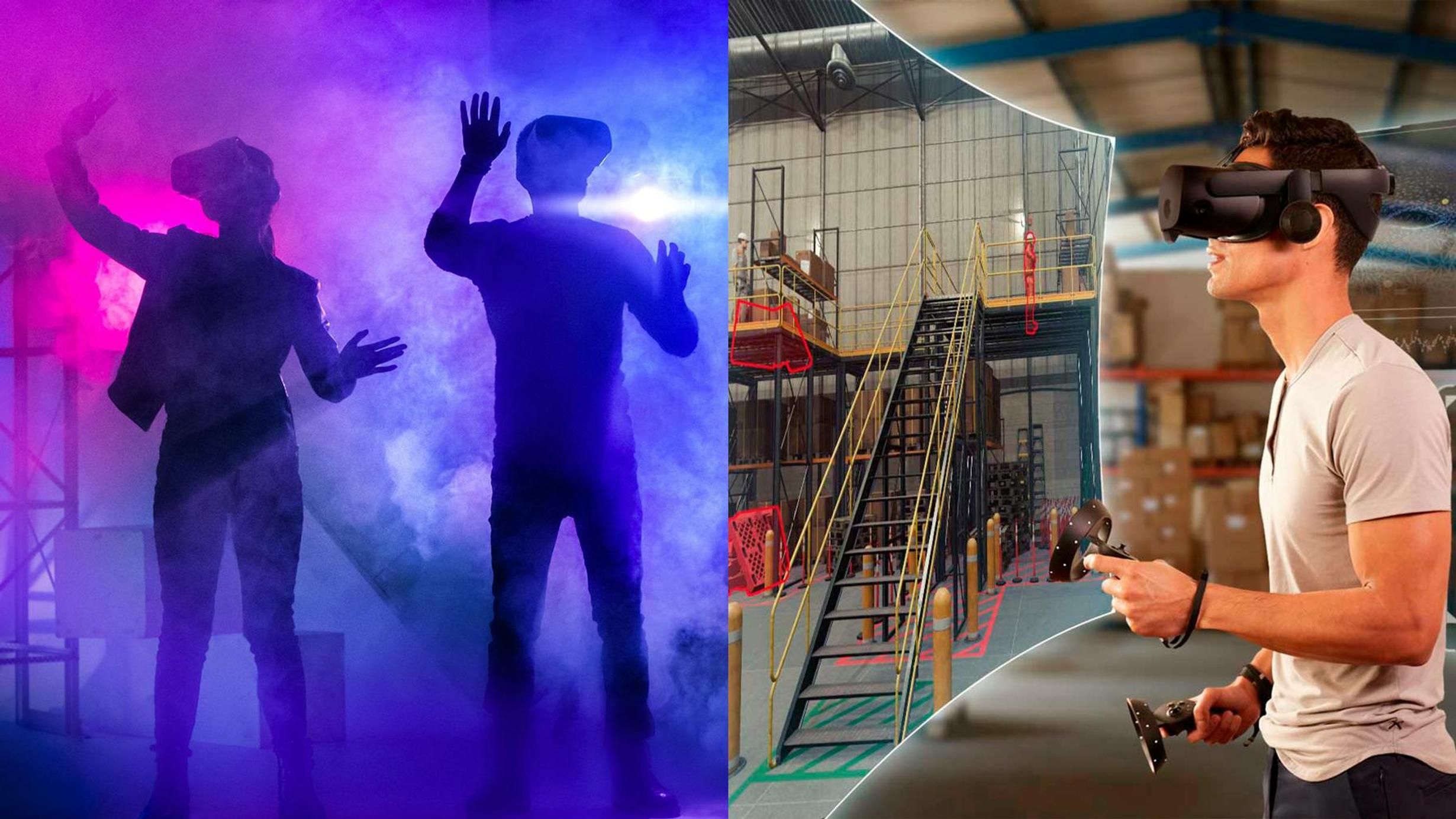
Virtual, Augmented and Mixed Reality are immersive technologies that are gaining popularity day by day, because of the competitive advantage they bring to companies and because the range of possibilities they offer for many industries and departments is very broad.
Today we are talking about some of the trends that have had the most presence in recent months in the field of Virtual, Augmented and Mixed Reality. In addition, the effects of the pandemic mean they continue to gain ground and, as a result, the number of users who use them is growing.
First of all, it is important to define the concepts of Augmented Reality, Virtual Reality and Mixed Reality and the main differences between them. Augmented Reality adds elements to a real scene, and this new layer of information can be viewed through a mobile device or a tablet. Virtual Reality, meanwhile, is a completely virtual environment that is not combined with physical settings. And Mixed Reality goes a step further and joins the virtual with the physical, blending the interaction of Virtual Reality with the visual power of Augmented Reality.
Now that all the concepts are clear, we will outline some of the trends that are transforming the Virtual, Augmented and Mixed Reality market and that are expected to grow exponentially during 2023.
The world's most important companies are already in the Metaverse
The main change in the field of Virtual Reality has come from Meta and its founder, Mark Zuckerberg, who revived the Metaverse concept and placed it in the media, business and economic spotlight just a few months ago.
The Metaverse is nothing other than the social platforms we interact on today, such as the social networks we all know, but in which we will be immersed. For example, replacing the meetings we currently hold on Zoom with a Metaverse in the form of a meeting room, which we will enter using Virtual Reality glasses and where, through a hologram-style avatar, we will hold the meeting. Fascinating, isn't it? All these concepts that might have seemed futuristic a few months ago are already a reality.
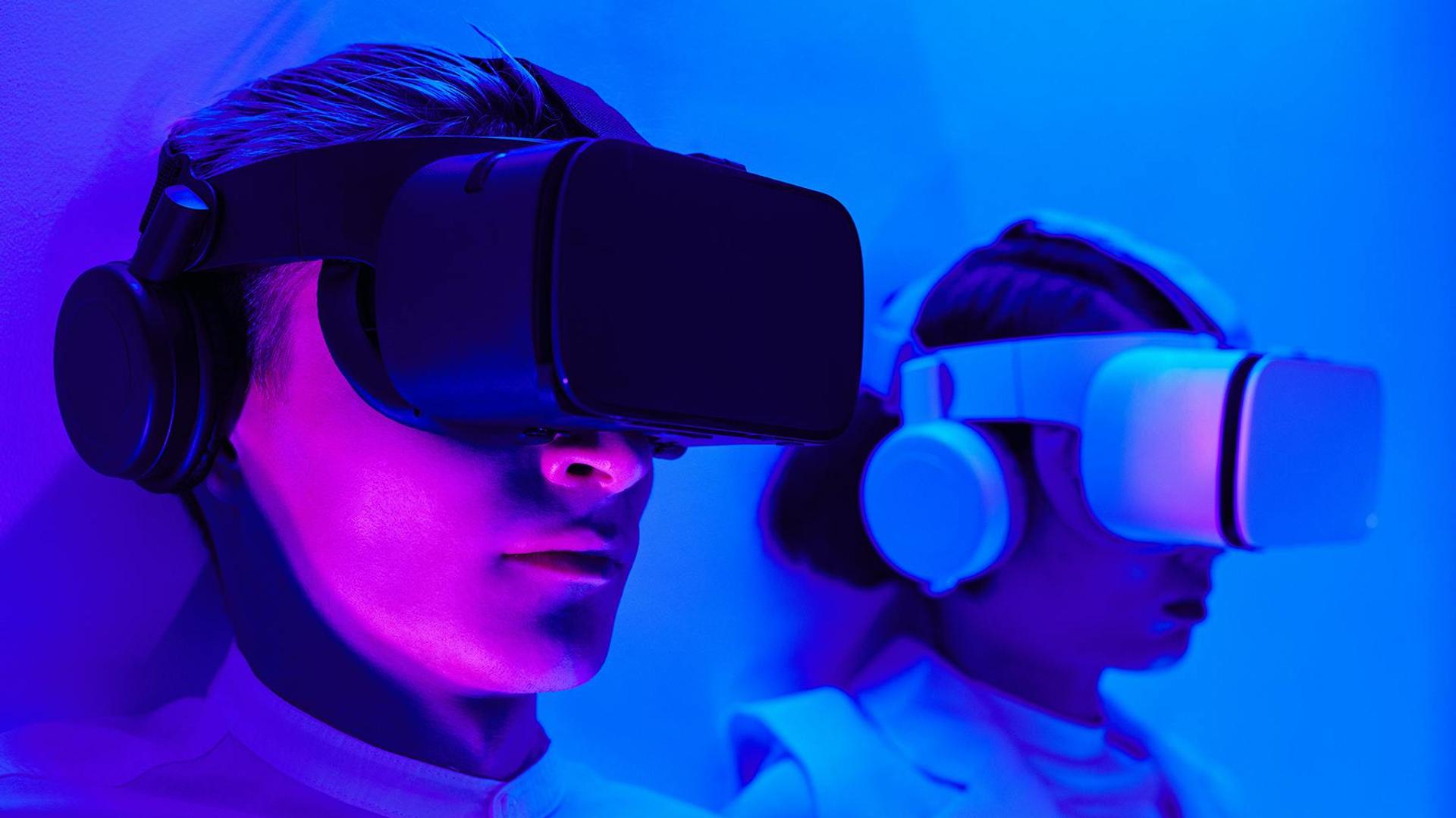
At Invelon, we are firmly committed to the Metaverse. We have been working in the Metaverse for years, creating spaces within it for companies. Companies in the industrial sector that use it to validate and inspect 3D models of machines, for example, or companies from many sectors that want to showcase their product catalogue in the most immersive way possible.
And the Metaverse aims to have as big an impact as the Internet did. Will they be right? Nobody has an answer, but what we do know is that it opens up many opportunities for companies. We must stop thinking of the Metaverse as something tied to play and start to see the possibilities this virtual space has for the worlds of business, the economy and politics, among others.
The manufacturing sector dives headlong into Virtual Reality with the Industrial Metaverse
Take the way you interact with your 3D engineering projects to another level thanks to Virtual Reality. By validating 3D designs in Virtual Reality, you can meet with your team or your clients to interact on the same 3D model and so detect any change and/or error, shortening the whole life cycle of a product.
Aurora's Industrial Metaverse has several use cases that can be very beneficial for your manufacturing company.
- The solution lets you carry out design reviews by viewing your prototypes at full scale as if they had already been manufactured.
- In addition, with Aurora you can run assembly and maintenance tests and test prototypes as many times as you like before manufacturing them.
- You can also carry out process validations and layout checks in order to avoid problems and get ahead of the real process, checking aspects such as assembly or safety.
- Aurora lets you assess the ergonomics of a work environment in a collaborative space together with the operators.
- Likewise, you can present your 3D projects to the different parties involved, on site and in an immersive way.
All this is possible thanks to Aurora, our 3D model analysis and manipulation software, which lets you collaborate whenever and wherever you want. All you will need is a pair of Virtual Reality glasses. Aurora lets you interact like never before, with a wide range of features such as freely changing the size and movement of the model, sectioning it, applying different materials and textures, and importing images and other resources.
The new era of remote assistance puts an end to lengthy employee training processes
Thanks to the many possibilities of remote assistance, long periods of downtime in factories or production lines are avoided and, as a result, production stoppages do not mean the loss of large amounts of money.
One of the main advantages of remote assistance in Augmented and Mixed Reality is that you reduce response times while avoiding unnecessary travel and, therefore, save on costs and time.
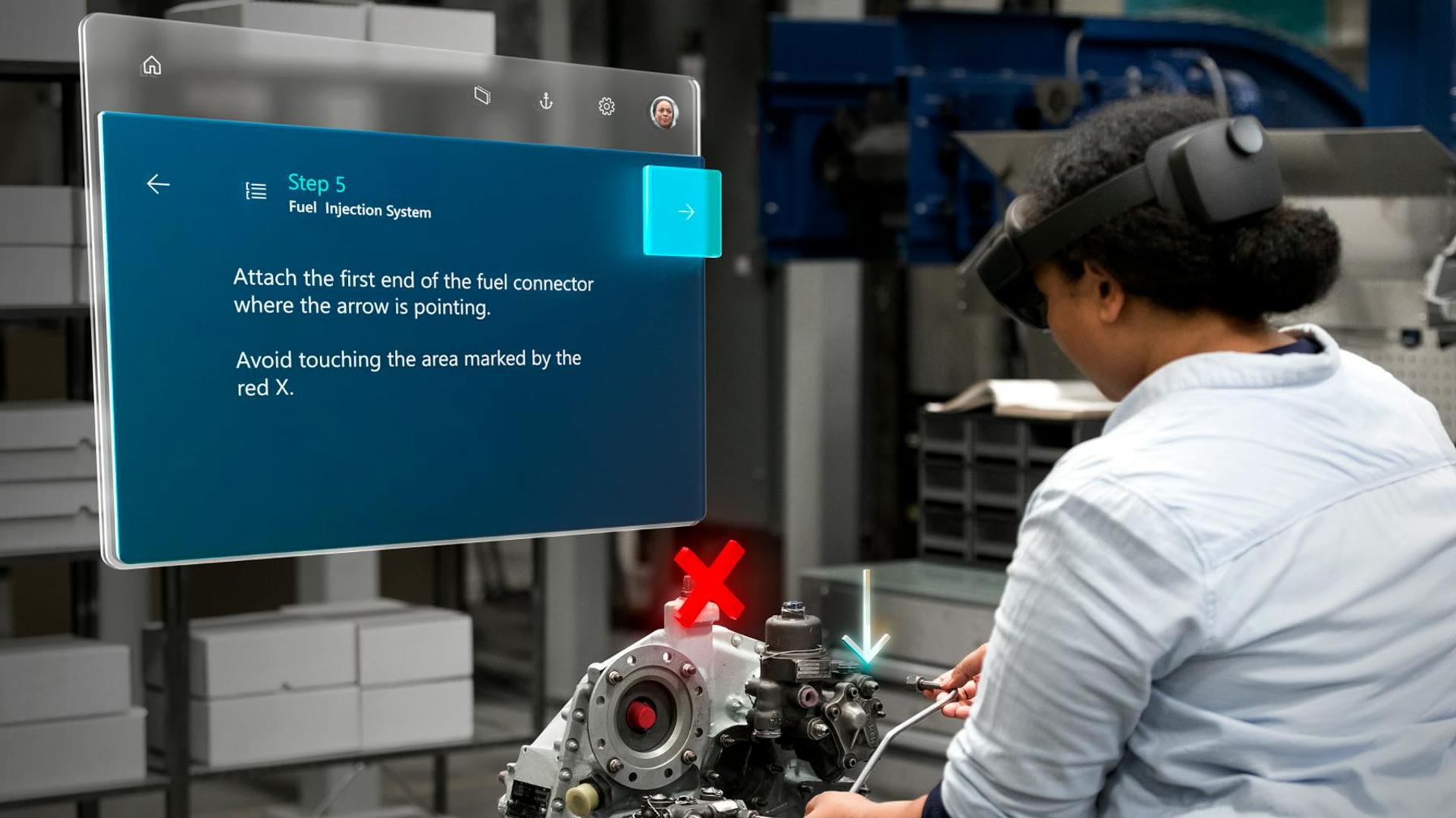
It is very common for tasks such as machine maintenance to become difficult because users lack knowledge or because paper manuals are hard to follow or out of date.
Augmented and Mixed Reality solutions for remote assistance allow untrained staff to carry out machine maintenance and support tasks without needing to be qualified to do so. Whether through a connection with a remote assistant or the generation of animations that make things easier to understand, the operator will not need to know the terminology, the components or where they are located.
Meetings in Virtual Reality to communicate the impossible
One of the strengths of our Aurora software is that it allows meetings to be held in Virtual Reality, which we call Aurora CAD Meetings, a tool that connects different sites so that workers can work remotely on the same 3D project.
Aurora CAD Meetings allows workers from different factories to interact on the same production line from anywhere in the world without having to travel to the same place. Thanks to the level of immersion and interactivity that Virtual Reality provides, you will feel closer than ever to your team, even though you are in different places around the world and collaborating remotely.
It is a very significant change for the environment, since being able to meet with your team and clients in a virtual space will reduce business trips and flights and, as a result, you will help to reduce your carbon footprint.
A step further in marketing: interactive, immersive packaging arrives with Augmented Reality
In another blog post we already told you about experiential marketing and how to connect with your customer using a product catalogue in Augmented Reality and a showroom in Virtual Reality. And that is because Virtual, Augmented and Mixed Reality technologies have always been linked to the marketing sector, since it is constantly looking for new ways to build lasting bonds with its consumers.
In a world this diverse, with so many consumer options, one way to stand out is to offer consumers unique and memorable experiences. Packaging has evolved to the point where it has become a completely immersive experience. It is becoming increasingly relevant in marketing because it is one of the essential factors to consider when making a purchasing decision.
With Augmented Reality you can get consumers to connect with your brand on another level, creating a very strong bond. For this reason, the applications in this field are many: providing consumers with more information, offering them games or experiences to interact with, extending the experience with animations and/or exclusive content, partnerships with other brands, prize draws and as far as your imagination takes you.
The virtual world will not replace the physical world, but we do need to find the best way for both worlds to coexist. What is clear is that we must take advantage of the opportunities the virtual world offers us, above all for business. And now is the time to do it. The companies that are open to change will be the ones that mark the start of a new era.