How to apply Virtual, Augmented and Mixed Reality technologies in Vocational Training Centres
More and more centres are committing to incorporating new immersive and experiential learning methodologies.
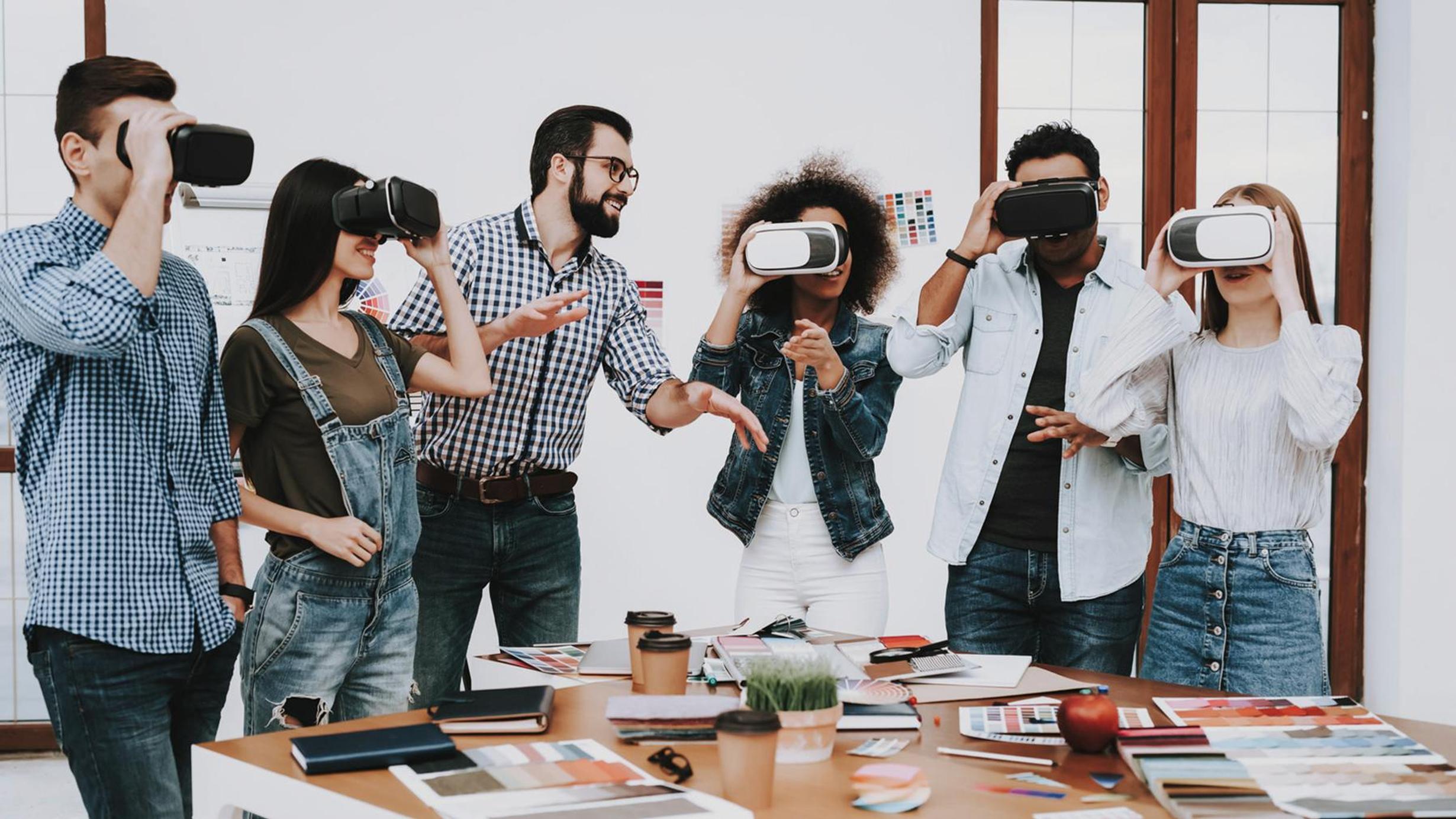
Virtual Reality (VR), Augmented Reality (AR) and Mixed Reality (MR), grouped under the term Extended Reality, are driving digitalisation and innovation in Vocational Training Centres, offering more complete and immersive training and enhancing the competencies and skills that students acquire.
More and more centres are committing to incorporating new immersive and experiential learning methodologies, through which students can experience first-hand and more interactively what they are learning.
Vocational training programmes have to base certain activities, which are more practical, on theory, whether because of the complexity or danger they involve or because of limited availability of resources. In the final work placements they could practise it, but it is very useful if they also do so throughout their learning at the vocational training centre.
Virtual, Augmented and Mixed Reality make it possible to recreate real risk situations in virtual environments that are completely safe for the student. The new learning environments can be adapted to many fields such as electricity and electronics, healthcare, chemistry, installation and maintenance, mechanical manufacturing, personal image, among others. And it is very useful and beneficial in all the sectors mentioned.
Grants "Aulas AtecA" (Applied Technology Classrooms)
At Invelon we help companies and Vocational Training Centres to grow through 4.0 technologies. Our aim is to support Vocational Training Centres in improving their production processes and learning methodologies, through the integration of cutting-edge technologies such as Virtual, Augmented and Mixed Reality.
In this way, and thanks to Virtual, Augmented and Mixed Reality, the aim is to recreate students' training in their specialised field, through a virtual space where they can improve their skills and abilities.
Training through virtual learning environments becomes a fully active process, since learners take part in and interact with what they learn. As a result, students receive training with practical examples of what they are learning, but also of what they will encounter throughout their working lives.
Benefits of integrating Virtual, Augmented and Mixed Reality in the classroom: Immersive experiences
- The training possibilities are completely unlimited, as Extended Reality has no physical barriers.
- Learning is fully active, as learners interact with and take part in what they learn.
- Virtual Reality improves students' soft skills or interpersonal skills , such as problem-solving, critical thinking, teamwork or emotional intelligence.
- The staff needed to deliver the training is reduced because the student can do it independently.
- The centre saves significantly on costs, since training with these technologies is cheaper than building fictitious settings in which to carry out simulations.
- Standardises procedures and replaces physical manuals, which are often out of date.
- It speeds up training, making it much more enjoyable, instructive and practical. It also makes it possible to repeat the training as many times as necessary.
- Avoid unnecessary risks and learn to deal with dangerous situations in a safe environment.
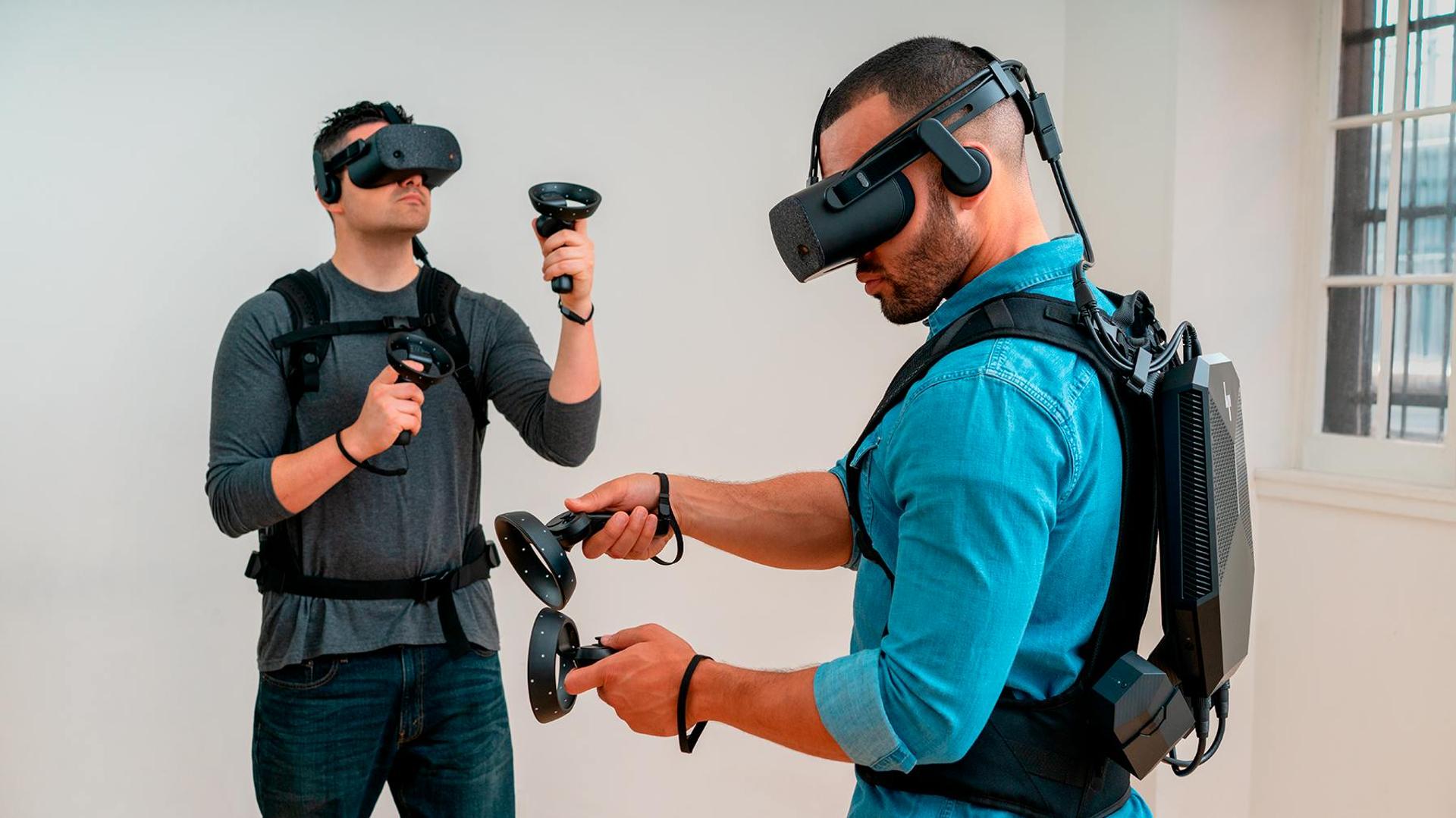
Centres that have already integrated Virtual, Augmented and Mixed Reality technologies
At Invelon we work with several Vocational Training Centres, integrating Virtual, Augmented and Mixed Reality into their training plans. We tell you about some of the Vocational Training Centres that have already integrated these technologies and have taken advantage of their many benefits.
Training Capsules for Vocational Training Centres
We create training capsules for various Vocational Training Centres, Guindavols in Lleida, Virgen Pilar in Zaragoza and Canastell in Alicante, and in collaboration with the companies Johnson Controls, Danfoss, Eurammon, AEFYT and IIAR, with the aim of training students in the installation of highly hazardous chemical products.
At Invelon we proposed a Virtual Reality classroom for training in industrial ammonia refrigeration installations. This solution enables unsupervised training of students without the risk of a real simulation, with task learning step by step, which supports students' learning curve and digitalises knowledge.
Extended Reality LAB at the EPS of the UDL
Another of the Training Centres that have committed to integrating Virtual, Augmented and Mixed Reality technologies is the Escola Politécnica Superior of the Universitat de Lleida, with the consolidation of the Extended Reality LAB.
The Escola Politécnica Superior of the UDL has committed to Virtual, Augmented and Mixed Reality technologies with the aim of offering students and teaching staff an immersive, active and collaborative learning tool, and a design tool in the fields of architecture and industrial engineering.
If you are interested in finding out more about the grants for Aulas AtecA (Applied Technology Classrooms), do not hesitate to contact us. At Invelon we support you in the process of committing to the digitalisation and innovation of learning and knowledge in a Vocational Training centre.