How to use Augmented Reality solutions in museums?
Augmented Reality in museums is used for entertainment, education, the preservation of history and the accessibility of works and rooms.
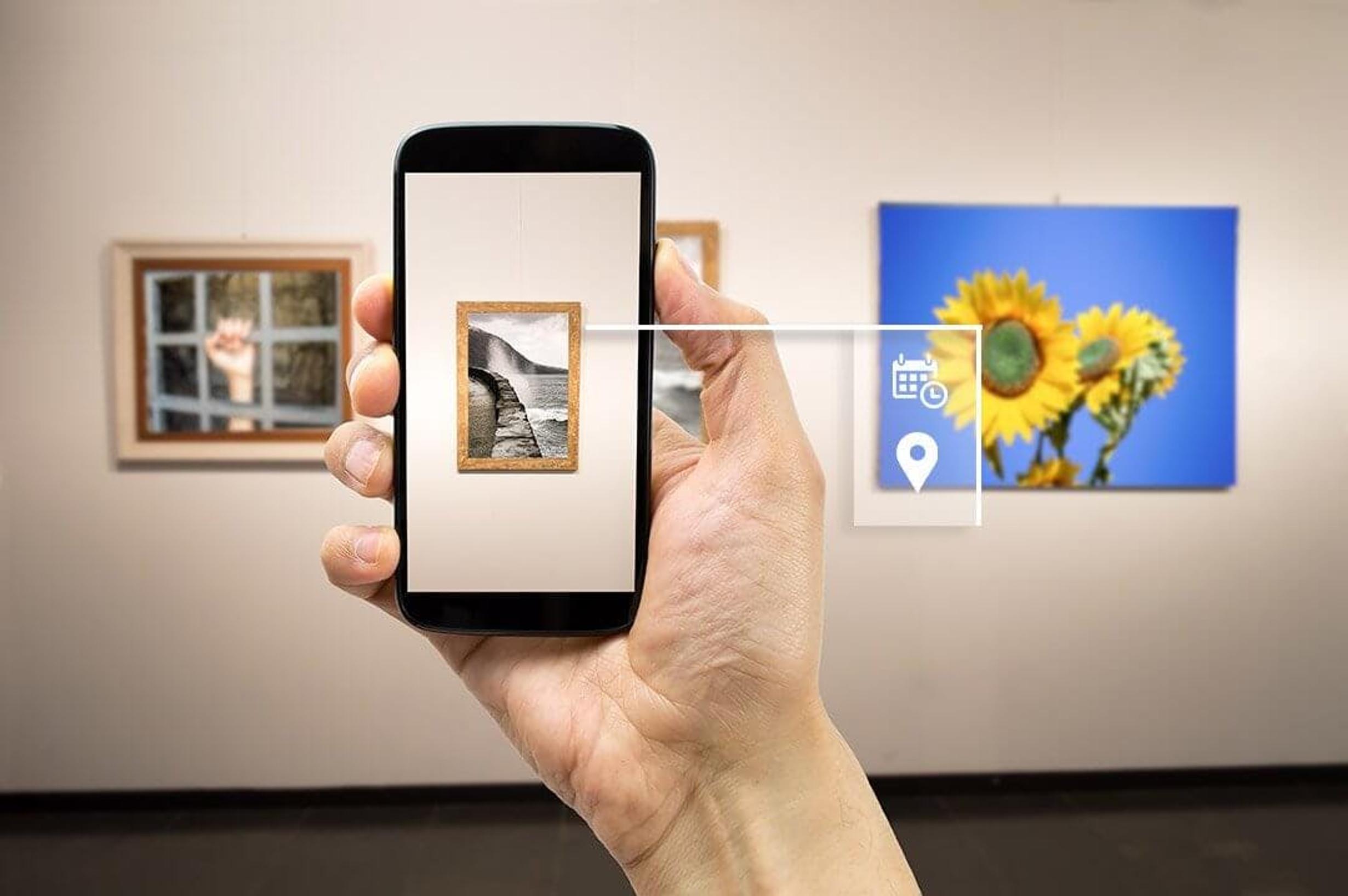
Technological advances bring us significant resources that, until recently, were part of the collective futuristic imagination. Among these tools, which the general public can make use of, are Virtual Reality (VR) and Augmented Reality (AR), technologies in the spotlight in sectors such as industry, education and even tourism. In this last case, VR and AR technologies help travellers learn more about smaller, less explored destinations, offering a differentiating user experience, as well as better delivery of visual and graphic information and complementary information.
Given the adaptability of Virtual Reality and Augmented Reality in tourism, these technologies were gradually applied and tested until it was clear how each of them can benefit each company, situation or specific case. And although we can now find all kinds of applications of both Virtual Reality and Augmented Reality in tourist areas, destinations and agencies, Augmented Reality is the ideal technological solution for use in museums.
How is Augmented Reality used in museums?
Augmented Reality is the process of using technology to superimpose images, text or sounds on what a person can already see. Normally, a smartphone or tablet is used to alter the existing image through an app: the user stands in front of a scene and holds up their device, which will show them an altered version of reality. An experience that takes us to a specific setting for each individual piece.
Given the possibilities, tourism professionals began to embrace Augmented Reality as a tool for providing extra information to travellers and for creating a more pleasant and interactive tourism offering. These strategies have been evolving and improving up to the present day within the tourism and cultural environment, giving a prominent position to museums and art galleries, as well as to places considered endangered heritage, with the aim of offering more appealing experiences to visitors. In all these cases, Augmented Reality is ready to complete, in a very realistic way, the visit to these spaces dedicated to art.
Augmented Reality, in fact, has several implementations within the context of museums, ranging from planning and management, marketing, entertainment and education to the preservation of history and the accessibility of the museum's works and rooms. And although there are many possibilities for using Augmented Reality in museums, the simplest way is to use it to add explanations to the pieces.
In this case, we mean that visitors will obtain more information when they contemplate the works, for example by using Augmented Reality to show digital versions of the artists next to their work. These 3D figures could even provide a narration of their work. Augmented Reality offers the opportunity to add a third dimension to displays, bringing objects or scenes to life. Many institutions around the world are already using Augmented Reality, and these projects add something new to existing collections, attracting wider audiences.
Benefits of using Augmented Reality in museums
Museums aim to bring their collections to life, and augmented reality is an excellent tool for this: it offers a different experience, involving you in an exhibition and letting you discover much more than what is displayed in the museum itself.
It is important to remember that we live alongside an audience increasingly familiar with new technologies, hyperconnected and devoted to digitalisation. This means tourists are increasingly predisposed to try immersive options, complementary in the real and virtual environment, which is a benefit that museums have to learn to exploit.
Furthermore, when we talk about groups of young people, these new tourists do not see visiting museums as one of their favourite plans, which means that this type of activity takes a back seat during their trips. For this reason, applying Augmented Reality in museums as extra informational support can be a great solution for catching the attention of younger audiences and inviting them to enjoy a museum visit much more.
In short, we have to adapt to the concept of the modern museum. With Augmented Reality, visitors can get to know the depths of the ocean much better, see the human body from the inside or discover how a work of art was painted. A technology that makes people completely willing to receive information through an interactive adventure.
And what about Virtual Reality?
Without a doubt, Virtual Reality also has its own place in the museum environment, but in a slightly different way. Some institutions add it as a new room and experience, set apart from the rest of the museum. Augmented Reality, in this respect, not only offers the possibility of creating new exhibitions in museums, it also makes it possible to add more value to existing works of art, through interactive experiences where you can learn more about the work. Now, visiting a museum can include more educational and appealing information for the tourist, who can not only contemplate the work through a real physical experience, but can also learn more about it through a complementary virtual experience.
Other applications of Virtual Reality and Augmented Reality in the world of work
A mining company, a surgical team, an architect, a school, a sales team and many more professionals can apply, and in fact already do, Virtual Reality and Augmented Reality in their businesses. Tools that offer a brave new world of problem solving, whose limits should not be underestimated. We should all start learning how these technologies are used, since their growth will be predominant in the sectors that make up industry 4.0. In fact, just as in museums, there are already several Virtual Reality and Augmented Reality solutions that we can find today:
- Virtual Reality Solutions for Design Departments
- Training and Protocols with Virtual Reality
- Advanced information visualisation with Virtual Reality
- Virtual Reality in simulations of Dangerous Situations, to prevent possible occupational risks.
- VR solutions for Digital Twin (Machine clones)
- Augmented Reality Solutions for Industrial Maintenance
- Warehouse and logistics management with Augmented Reality
- Augmented Reality in Product Catalogues
- Cultural Heritage and Models with AR solutions
With the development of highly powerful, low-cost and easy-to-use Virtual Reality and Augmented Reality devices, these technologies have an increasingly public and commercial presence. And cultural organisations and museums are making the most of them to attract more and better potential customers. As you can see, AR and VR are two technologies that open up new opportunities in very different sectors, and all of them need to identify and exploit these new technological possibilities to thrive in an increasingly technological future.