Answering the most frequently asked questions about Virtual, Augmented and Mixed Reality
There are three types of XR technologies: VR / AMR / MR. We answer the most frequently asked questions about these 4.0 solutions, detailing their benefits and applications.

Invelon is a leading company in extended reality (XR) technologies. With a comprehensive focus on the development, implementation and customisation of advanced solutions, we specialise in integrating XR technologies into a wide range of industries, providing personalised support at every stage of the process. But, what exactly are XR technologies?
There are three types of XR technologies: virtual reality, augmented reality and mixed reality. Below, we answer the most frequently asked questions about these 4.0 solutions, detailing their benefits and applications.
What are virtual reality, augmented reality and mixed reality?
Virtual reality, augmented reality and mixed reality are three types of 4.0 technology which, although related, differ in key ways in how they work and how they are used.
Virtual reality (VR)
Virtual reality is a technology that, through the use of virtual reality headsets, allows the user to create a completely digital world from scratch. Through VR, the user can interact with the virtual environment as if they were inside it, completely entering and leaving the real world in an immersive way.
Augmented reality (AR)
On the other hand, augmented reality combines our real world with the virtual one, allowing the user to interact with digital objects superimposed on their physical surroundings. In this way, with AR technology we see new information added through artificial 3D creations.
Mixed reality (MR)
Finally, mixed reality combines the best of virtual and augmented reality and makes it easier to create new spaces in which digital objects and people are not only superimposed on the physical world, but also interact with it seamlessly. XR technology is capable of creating even more complete immersive experiences and more advanced ones.
Applications of virtual reality
The applications of virtual reality are very wide-ranging across different industries. Below, we discuss some of the most notable ones:
Virtual reality in education
In the educational field, virtual reality allows students to experience interactive learning simulations that go beyond traditional methods. From recreating historical events to simulating scientific practicals, VR offers playful and dynamic learning that fosters creativity, understanding and critical thinking.
Virtual reality in medicine
In the healthcare sector, virtual reality is used for surgical training, patient rehabilitation and the management of therapy sessions, among other things. Thanks to VR, a simulation of medical scenarios is created that makes it possible to train professionals without risk and to facilitate patients' interventions or recoveries.
Virtual reality in business
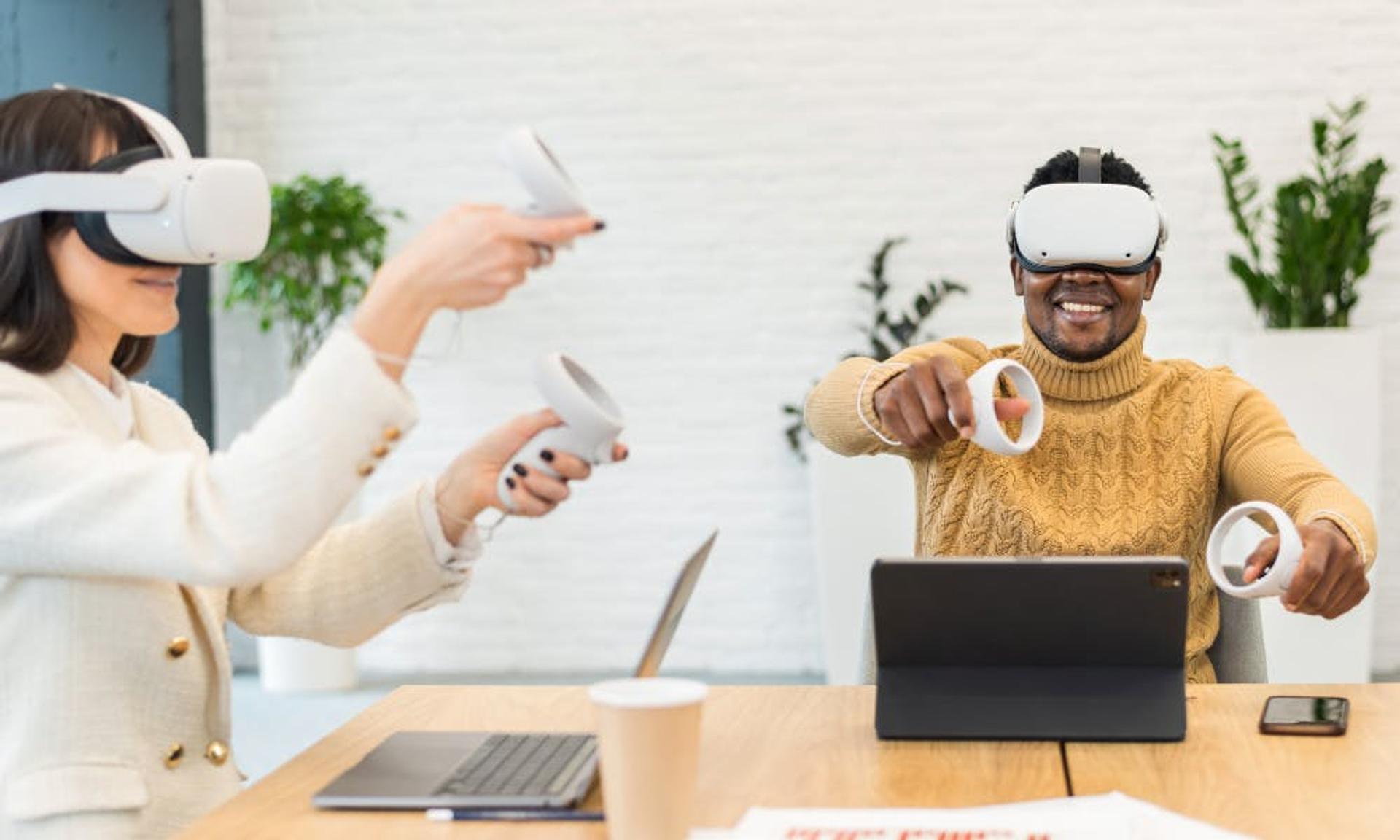
In the business world, thanks to virtual reality virtual meetings and specific product presentations can be held, thus optimising work processes. In addition, VR simulations train employees in a variety of tasks without the need for costly resources, such as physical equipment.
Applications of augmented reality
AR technology is changing the way we interact with the world around us by adding digital layers to our physical environment. Some of its notable applications include:
Augmented reality in tourism
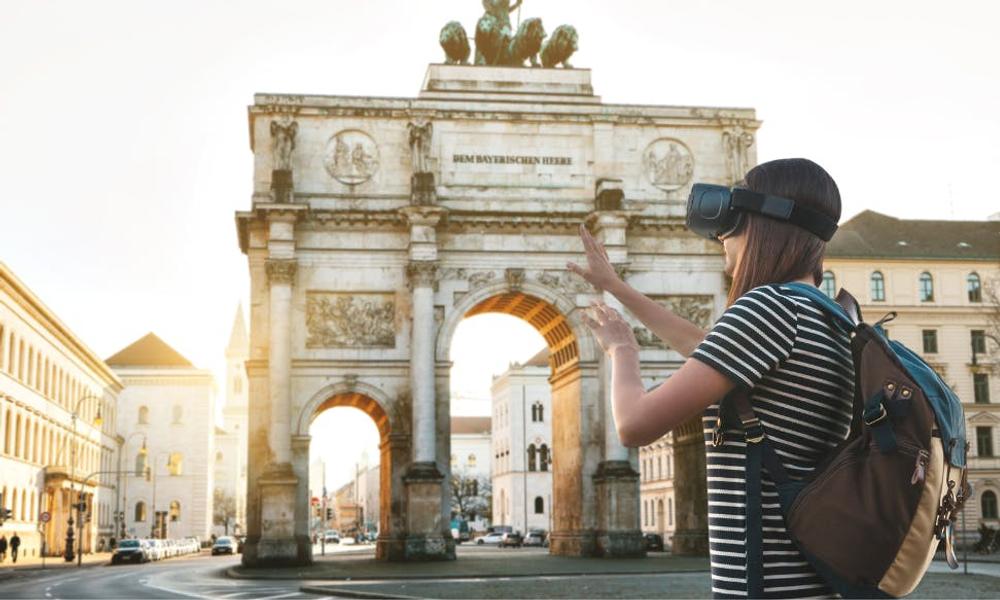
In the cultural sector, augmented reality makes it possible to take virtual visits to any place in the world, such as historic sites or points of interest.
Augmented reality in marketing
In the world of advertising and marketing, AR technology allows brands to create interactive experiences for their consumers, making products come to life.
Augmented reality in education
Augmented reality also plays a very important role in education, where it generates interactive learning materials that make complex concepts easier to understand and allow a more practical and visual approach to the content.
Applications of mixed reality
XR technology enables the creation of immersive experiences that combine the best of virtual and augmented reality. Some key applications include:
Mixed reality in entertainment
Mixed reality plays a crucial role in entertainment, where it offers new forms of fun such as interactive games and live shows that blend reality with virtual worlds.
Mixed reality in architecture
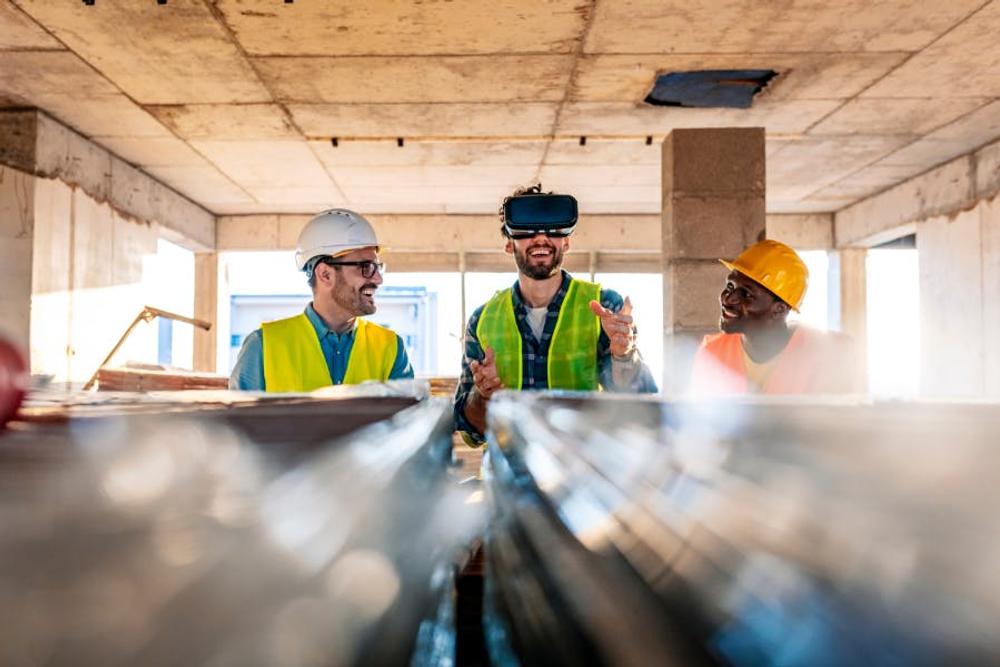
In architecture, XR technology is widely used by designers to interact with 3D models, visualising how spaces, objects and changes would look in the real environment in a more accessible and understandable way.
Mixed reality in healthcare
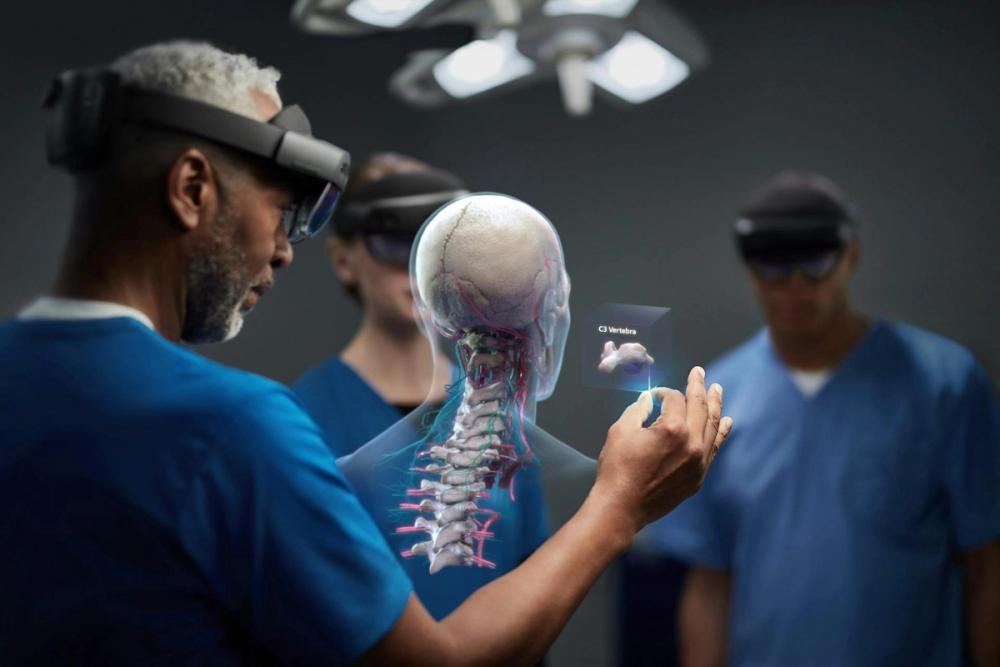
Mixed reality also brings a benefit to medicine, allowing surgeons to practise procedures in a virtual environment before performing them in the real world, reducing risks and improving precision.
Advantages of virtual, augmented and mixed reality
These technologies offer a series of benefits that help drive growth across different industries:
- Improved productivity: Simplifies processes and speeds up tasks with immersive and intuitive tools.
- Cost reduction: Minimises operating expenses by digitising processes and optimising resources.
- Boost to innovation: Encourages ideas and business models through emerging technologies.
- Accessibility and personalisation: These technologies can be adapted to users' specific needs, improving their experience.
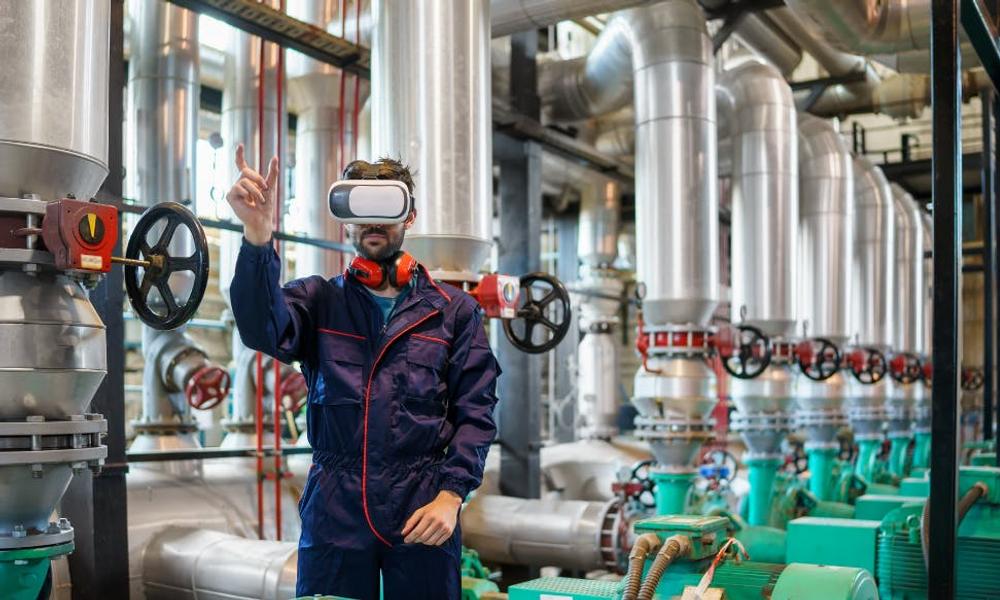
- Optimised training: Practical simulations for learning without risk in controlled environments.
Bring our 4.0 solutions into your company!
At Invelon, we have worked on a variety of projects that demonstrate the real impact of virtual reality, augmented reality and mixed reality. Below we share some of our most notable case studies
If you want to know more about how these technologies can benefit your company or industry, do not hesitate to contact us or explore our tailored solutions.