Innovative applications of Virtual Reality to create the impossible
Simulating situations with Virtual Reality is very useful in the prevention of occupational risks.
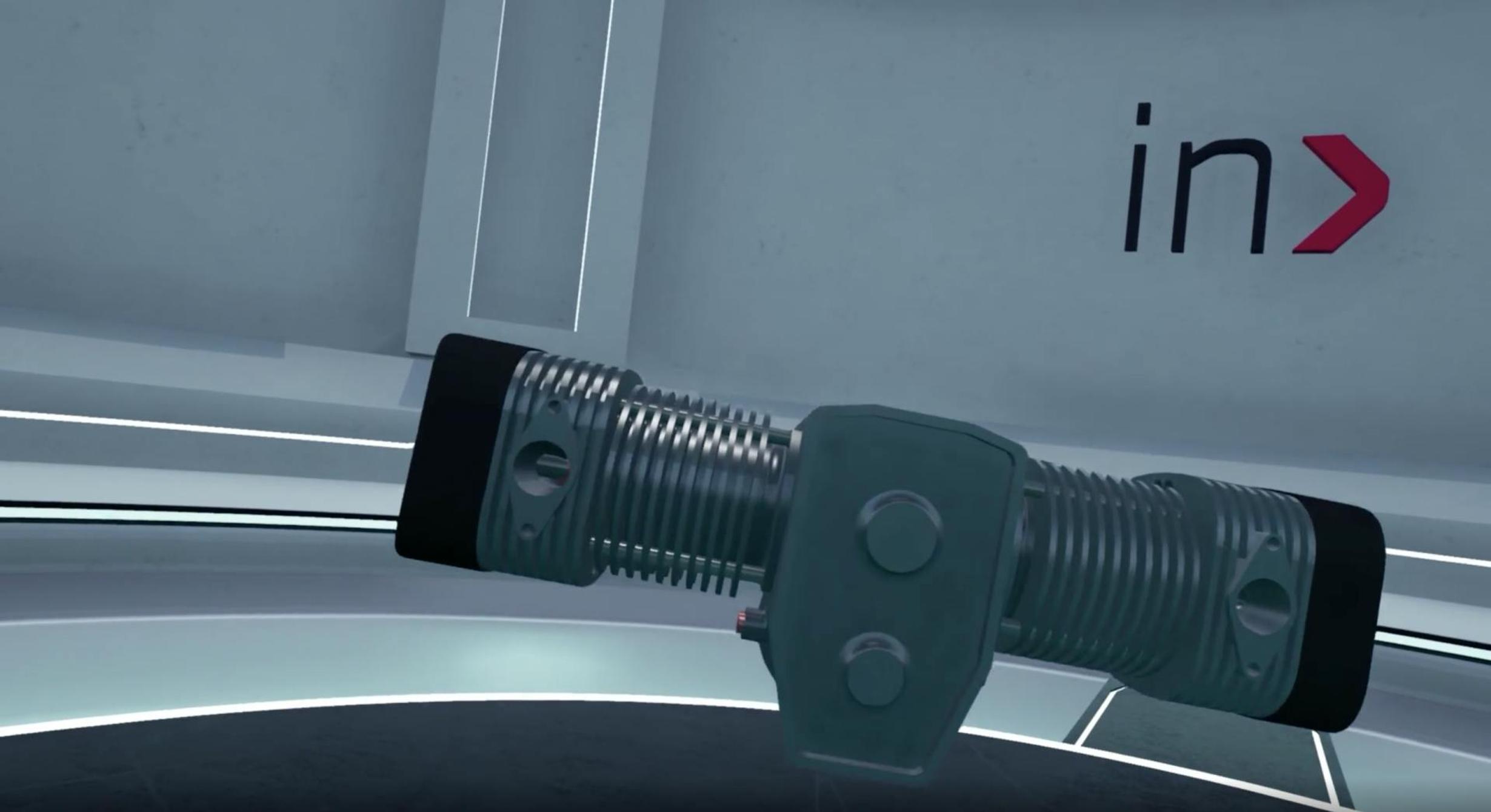
Have you ever had an experience with Virtual Reality, even if only at a trade fair or demonstration? If so, you were probably surprised by its realism and its ability to virtualise situations that we have experienced. This ability is what we will talk about in this article, so don't move from behind your screen! At INVELON we are experts in developing Virtual Reality for use in many fields: education, industry, design, safety, training… Today, we want to tell you exactly what these new applications of Virtual Reality are, which help us to see and experience situations that would be impossible, or very difficult, to carry out in real life.
11 innovative applications with Virtual Reality
The simulation of situations with Virtual Reality can be very useful in training and in the prevention of occupational risks. It can also help us face difficult tasks that cannot be created in a real setting. Let's look at these applications in more detail:
1. Dangerous practice with machinery and chemical reactions
This application can be used both at university and in industry. If you need to learn to operate machinery or to work with dangerous chemical reactions, such as the ammonia cooling of some machines, Virtual Reality is perfect for practising. It simulates the situation with the possible dangers that we will have to face and resolve.
2. Medical practice
Thanks to Virtual Reality, it is no longer strictly necessary to practise on human bodies for healthcare staff to become skilled in the use of medical equipment. Thanks to virtualised bodies and organs, medical professionals can practise risky surgical procedures, or ones that could endanger a patient's life, which makes this technology ideal for the purpose.
3. Occupational risk prevention
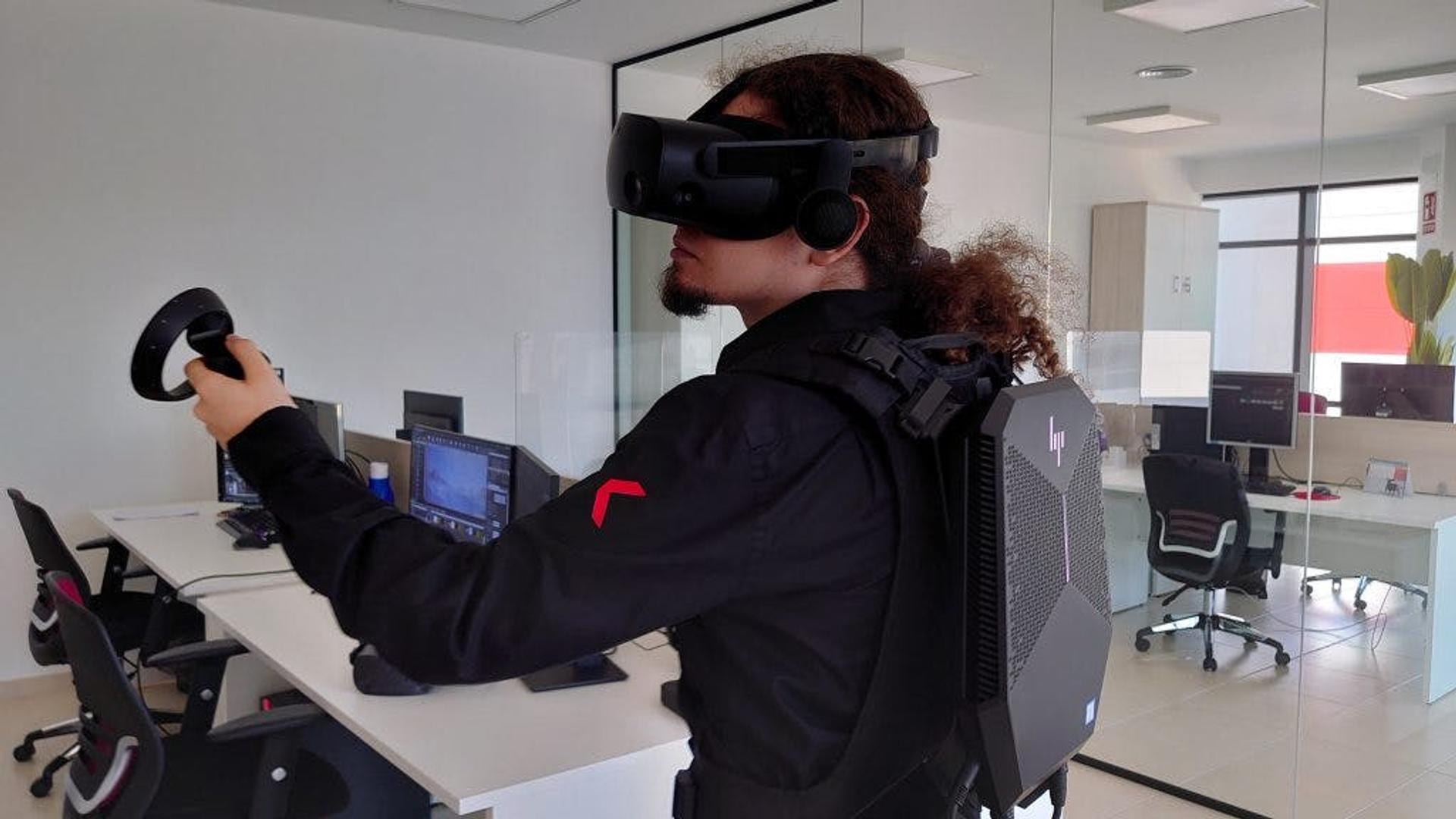
With Virtual Reality we can train professionals without them having to be exposed to extreme situations. With this technology, it is possible to carry out the simulation of dangerous situations and so learn to adopt all the safety measures correctly, in order to put them into practice properly when necessary.
4. Training of firefighters and rescue personnel
With Virtual Reality it is easier, and less harmful to the environment, to simulate a fire, an explosion or a helicopter rescue. Thanks to this simulation, fire brigades and rescue personnel can train safely and, at the same time, save the costs involved in real-life exercises.
5. Preview of the workplace
When it is not possible to travel to the place where the work will be carried out, it is extremely useful to prepare workers by recreating with Virtual Reality the place where they will do their job, so that they have a first taste of the space. This could be applied to architects' studios, construction companies or mining firms, to validate designs before they are put into practice.
6. Entering hard-to-reach spaces
Whether for teaching or for solving complex problems, Virtual Reality allows us to enter spaces that are hard to reach or impossible to access, such as, for example, the inside of a machine. This is also interesting when we talk about rescuing people, to understand the situation they may be in and to know how rescue teams should act.
7. Driving simulation
It can do more than help people learn to drive, as we might think. Lately, many car manufacturers have already been using Virtual Reality so that their customers can experience what it will be like to drive their new models, especially when it comes to innovative cars, such as hybrids, electric and high-powered vehicles, etc.
8. Communication and mobility
During lockdown, we saw video calling tools grow, making contact easier between family, friends or work teams. With Virtual Reality, we can go one step further. For example, it makes it possible to show in a meeting how a new building has turned out, in full detail and without having to travel to the site; or it simply allows us to create a more relaxed atmosphere in long and complicated meetings, adding a new medium for presenting information more dynamically.
9. Interactive information
When several members of a team work remotely, for example to deal with a mechanical incident (repairing an engine, an installation in a building, etc.), these technologies can be a great help. As we have mentioned, they allow us to analyse data in real time, the process and manufacturing workflow or the temperature of a machine, for example.
10. Information about prototypes
Seeing the finished product before manufacturing it is one of the benefits that Virtual Reality gives us. It is a very powerful tool for design teams, as we can obtain very relevant information about the prototype and any errors it may have before taking it to the production phase. It can also be very interesting for showing the product to others when, for whatever reason (size, difficult transport, etc.), we cannot easily show it.
11. Medical treatments
Patients can also benefit enormously from the advantages of Virtual Reality. It is currently being used as a therapeutic treatment for a wide range of conditions, such as:
- Psychological disorders: Mainly to help the patient face anxiety or phobias. As we have mentioned, by placing the patient in a space where they may feel uncomfortable, the resulting emotions can be addressed with the psychologist in situ .
- Rehabilitation after a cardiovascular accident: It has been shown that, once out of hospital, rehabilitation is more effective using the GRASP Virtual Reality programme (Graded repetitive arm supplementary program). This programme works by combining Virtual Reality with exercises that improve the mobility of the hands and arms, which are necessary for recovering from a cerebrovascular accident.
- Rehabilitation for multiple sclerosis: To improve the mobility and cognitive state of patients with this disease, there are assisted exercises that require many repetitions to be effective. An assistant cannot always be present, and if patients do them alone, it is easy for them to lose motivation. With Virtual Reality, it is possible to ensure that they are done correctly and to stay consistent with rehabilitation.