How Virtual Reality is transforming learning
Study by Forrester Consulting on the “Higher Education Focus: Enhancing Learning and Development with Virtual Reality”
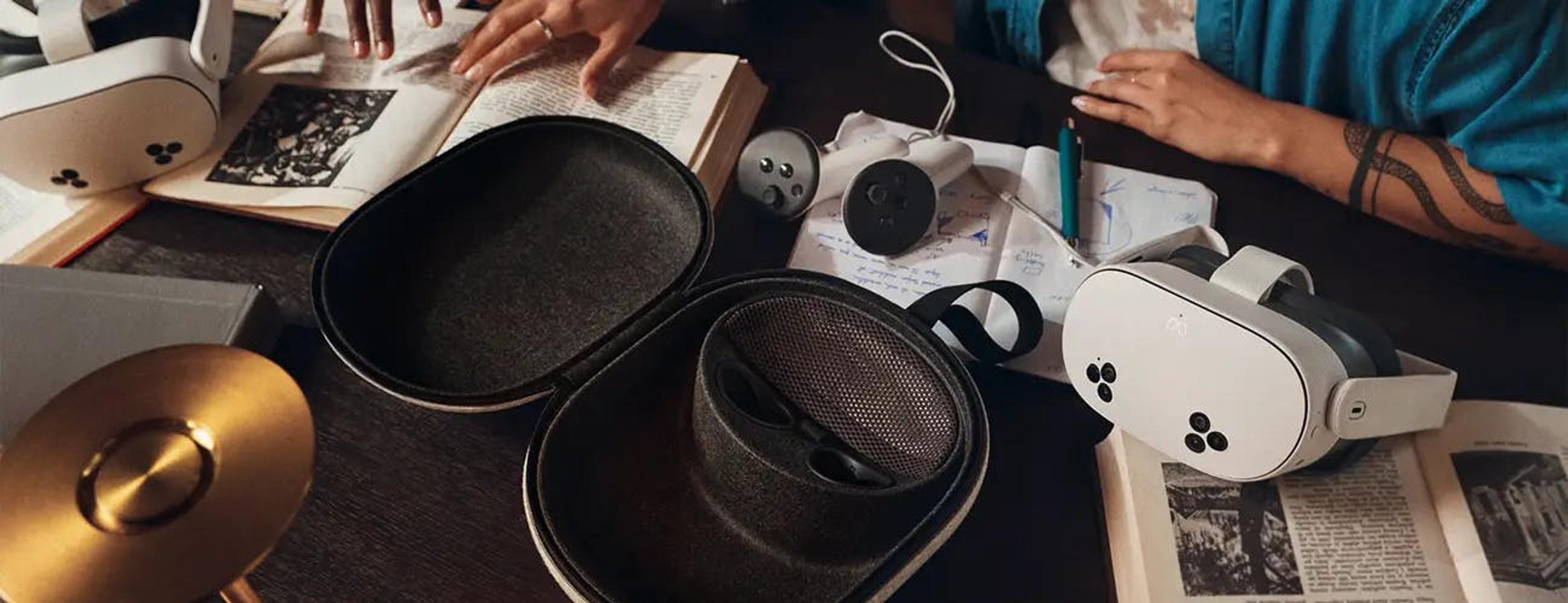
Virtual Reality is no longer a concept of the future in higher education. Universities, university colleges and Vocational Training institutions are using immersive technologies to support teaching, improve student engagement and boost learning outcomes across multiple disciplines.
To better understand how VR is being adopted today and where it is heading, a study carried out by Forrester Consulting and commissioned by Meta (October 2025) analyses how higher education institutions are integrating Virtual Reality into their curricula and training models.
Virtual Reality is becoming part of learning
According to the study “Higher Education Focus: Enhancing Learning and Development with Virtual Reality”, the adoption of VR in higher education is already comparable to more established digital methods such as online teaching or videoconferencing.
Institutions increasingly see it as a complementary tool, not as a substitute for traditional teaching. The most common current and planned use cases include:
- Experiential learning through hands-on simulations
- 3D visualisations of complex curriculum content
- Interactive laboratory experiences
- Virtual field trips and safety training simulations
These applications allow students to interact with content in a more realistic and practical way, making abstract or complex concepts easier to understand.
How Virtual Reality is transforming learning in higher education
Download the Forrester Consulting eBook and find out how immersive technologies are improving learning outcomes, engagement and the educational experience in higher education.
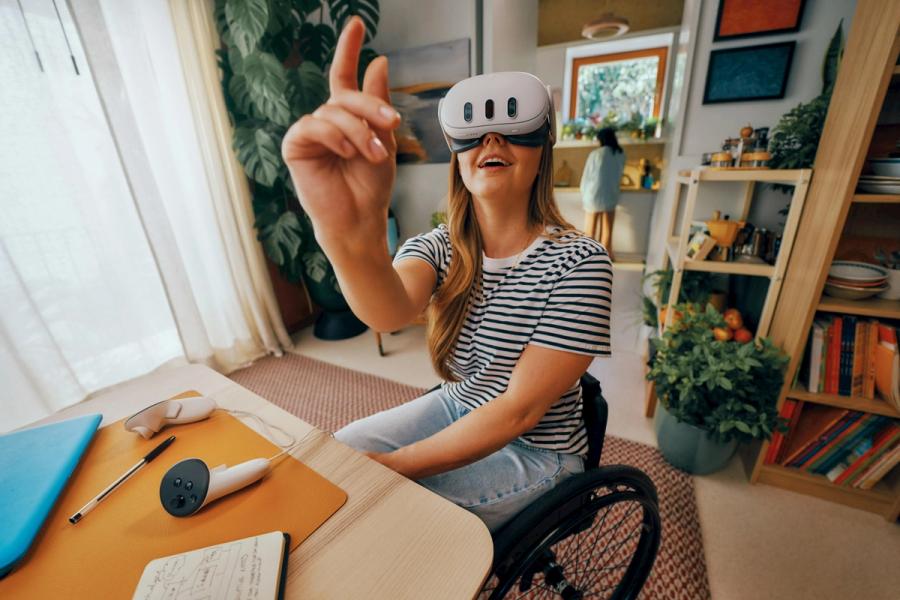
Key conclusions from education leaders
The research shows a high level of confidence in the value of immersive learning technologies among institutions in North America and EMEA. Among the most relevant findings:
- 81% of education leaders believe VR will play a more important role in curriculum teaching in the future.
- 75% expect VR to have a positive impact on student outcomes.
- 72% say VR makes learning more realistic.
- 69% note that VR helps improve student engagement.
- 65% indicate that students find VR easy to use.
These results suggest that VR is not only effective, but also accessible to both students and teaching staff.
From adoption to long-term impact
One of the study's main lessons is how quickly institutions can adopt immersive learning technologies. Most respondents say that students and teachers become familiar with VR in less than an hour, thus reducing the traditional barriers to adoption.
Beyond ease of use, education leaders also anticipate long-term strategic value, such as:
- Improved student experience and engagement.
- Greater accessibility and inclusivity.
- Strengthened institutional reputation.
- Better preparation for real professional environments.
Taken together, these factors point to a shift from pilot projects towards more scalable and strategic uses of Virtual Reality in higher education.
As immersive technologies evolve, institutions are increasingly focused on how to integrate VR in a practical and sustainable way, complementing existing educational models and supporting their training goals.