Educational innovation: Key technologies for the learning of the future
Technologies such as Virtual and Augmented Reality, Robotics, 3D Printing and Artificial Intelligence have become a tangible reality that helps to expand the frontiers of knowledge.
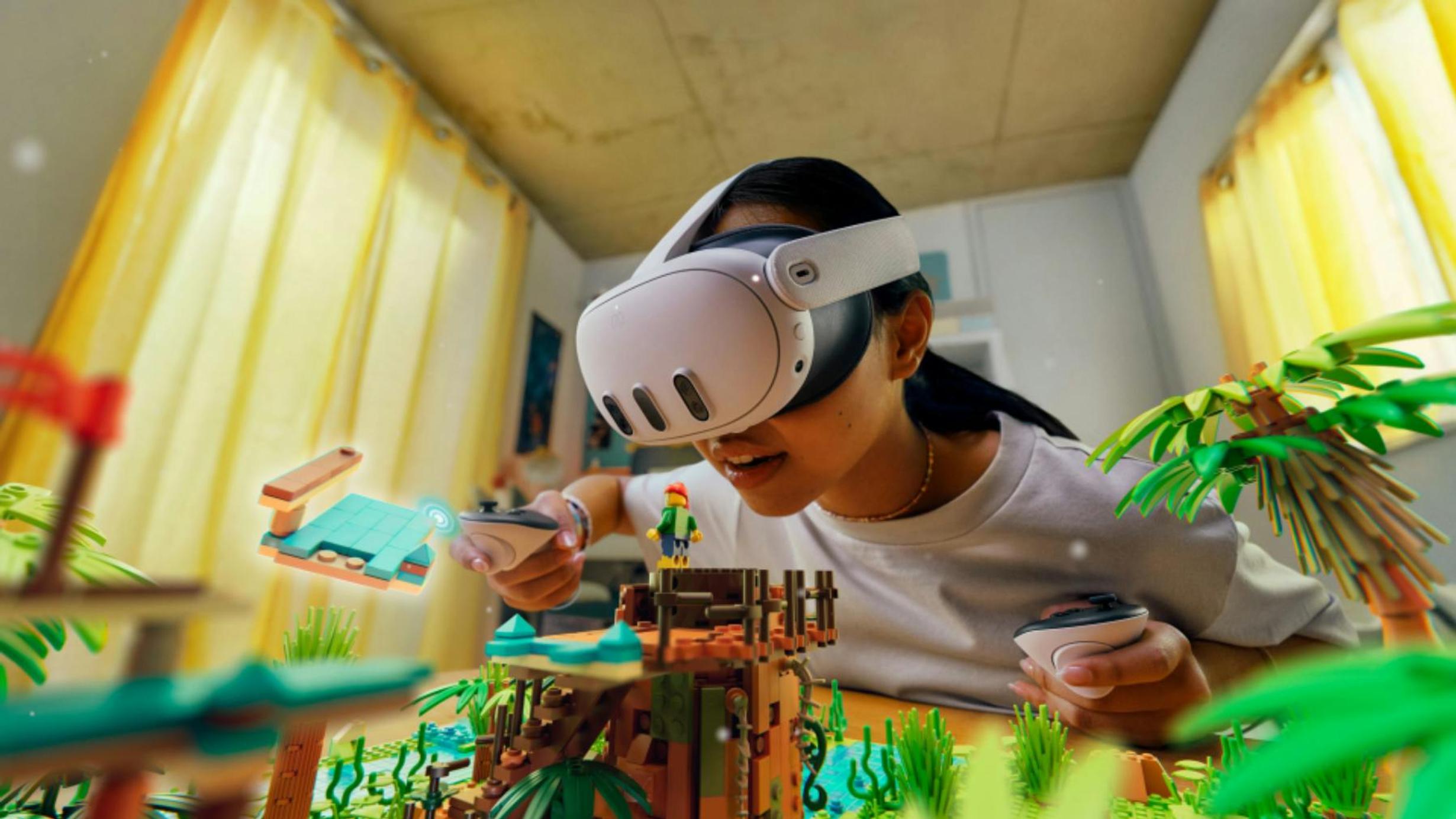
In today's educational landscape, technology has become an essential aspect of taking this sector to the pedagogical and innovative excellence that the modern world demands. Day after day, classrooms are being transformed into interactive learning laboratories, where technology is not just another tool, but a catalyst that redefines students' educational experience.
Technologies such as Virtual and Augmented Reality, Robotics, 3D Printing and Artificial Intelligence have become a tangible reality that helps expand the frontiers of knowledge. Thanks to these technologies, students acquire skills that would otherwise be unimaginable. They are tools that boost their critical thinking, problem solving and ability to bring projects to life.
The technological present and the future outlook for education
In today's world, technology is of incalculable value. In a way, it is about preparing students for a future where technological competence will be fundamental. Technology enriches teaching by providing instant access to global resources, personalising learning according to individual needs and encouraging real-time collaboration.
Looking to the future, we see that technology does not replace books and lessons; rather, more traditional teaching methods can coexist with the most immersive and technological experiences. Factors such as the creation of collaborative virtual environments can make education more accessible, breaking down any geographical and economic barriers that exist.
Our contribution to educational transformation
At Invelon we have a long track record of integrating technology in educational centres. We not only provide advanced technology, but also offer a strategic view of which technologies are most suitable for each centre and its specific needs.
At the same time, we offer a comprehensive service covering everything from that advice through to equipment installation, training and technical support. It is important to anticipate the future of education, but it is essential to know the centre well in order to choose the technology that best suits it.
Simulated environments for training students in their specialist field
Today, Virtual Reality simulators have become a cornerstone for putting learning into practice. Virtual Reality simulators allow students to take on hands-on training thanks to the recreation of realistic and complex situations. From medical simulations and chemical experiments to technical skills such as carpentry or welding, many fields benefit from this technology. Students can experiment, make mistakes without serious consequences and refine their skills progressively.
At Invelon we specialise in creating customised technology classrooms for educational centres, focusing on integrating Virtual Reality simulators and the devices needed for each experience. Our approach is to identify the best technologies for each case, looking for those that provide maximum value, differentiation and scalability for learning experiences.
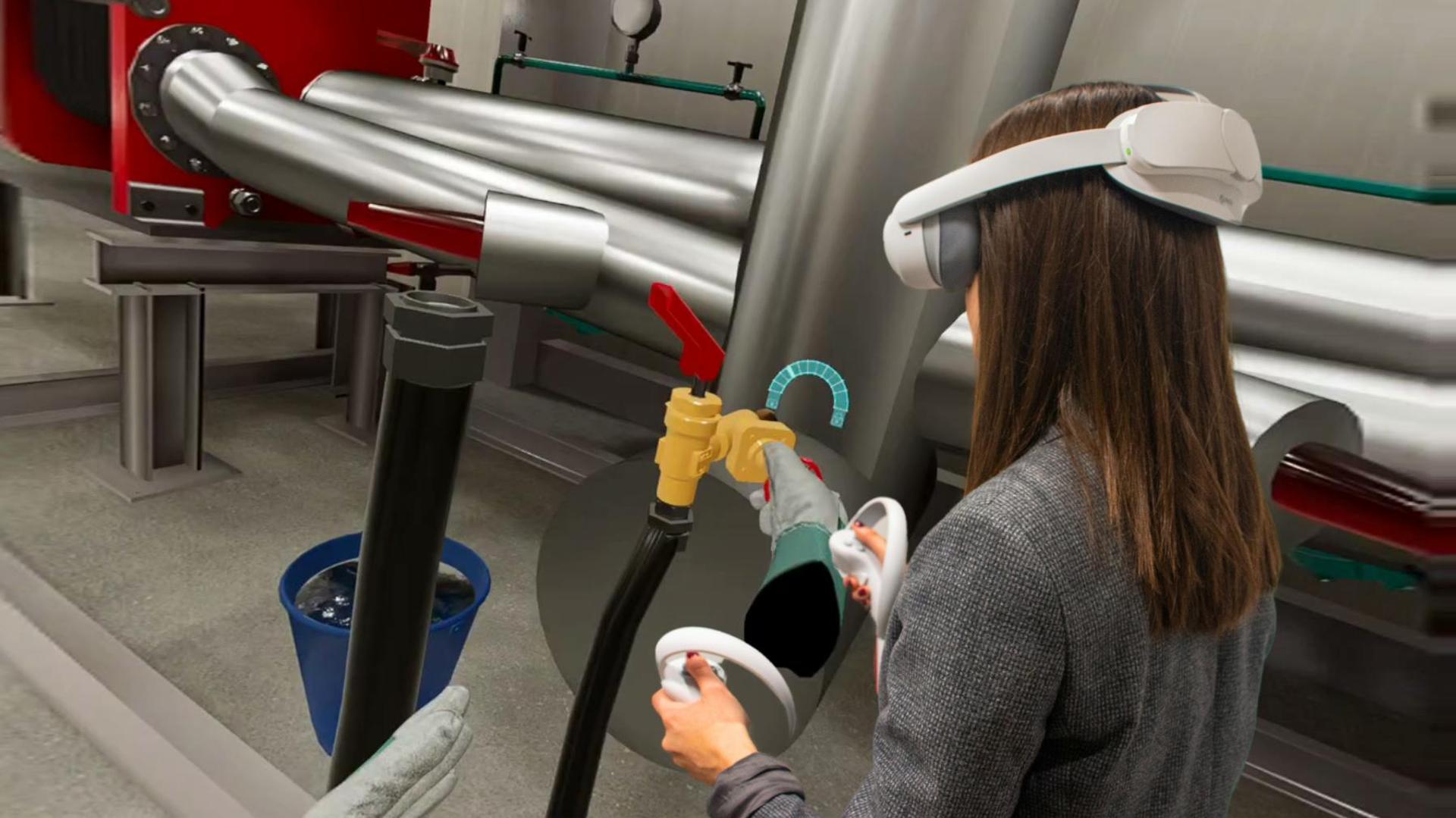
Turning projects into reality with 3D visualisation
Virtual Reality is effectively integrated into academic programmes to prepare students for the challenges of the real world. A great tool is Aurora, which makes it possible to visualise and interact with CAD models, allowing engineering and design students to bring their 3D projects to life.
Aurora has become an invaluable tool for students by giving them the ability to visualise not only existing CAD models, but also those they have designed themselves, thus allowing them to carry out the materialisation of their projects in a tangible way.
This technology is not limited to one specific field, but extends to various vocational families, covering areas such as Installations and Maintenance, where it makes complex processes easier to understand and carry out; Mechanical Manufacturing, where it boosts creativity and precision in production; and Building and Civil Engineering, where it contributes significantly to the three-dimensional visualisation of structures and architectural designs.
HoloLens 2: Holographic guides for training in every field
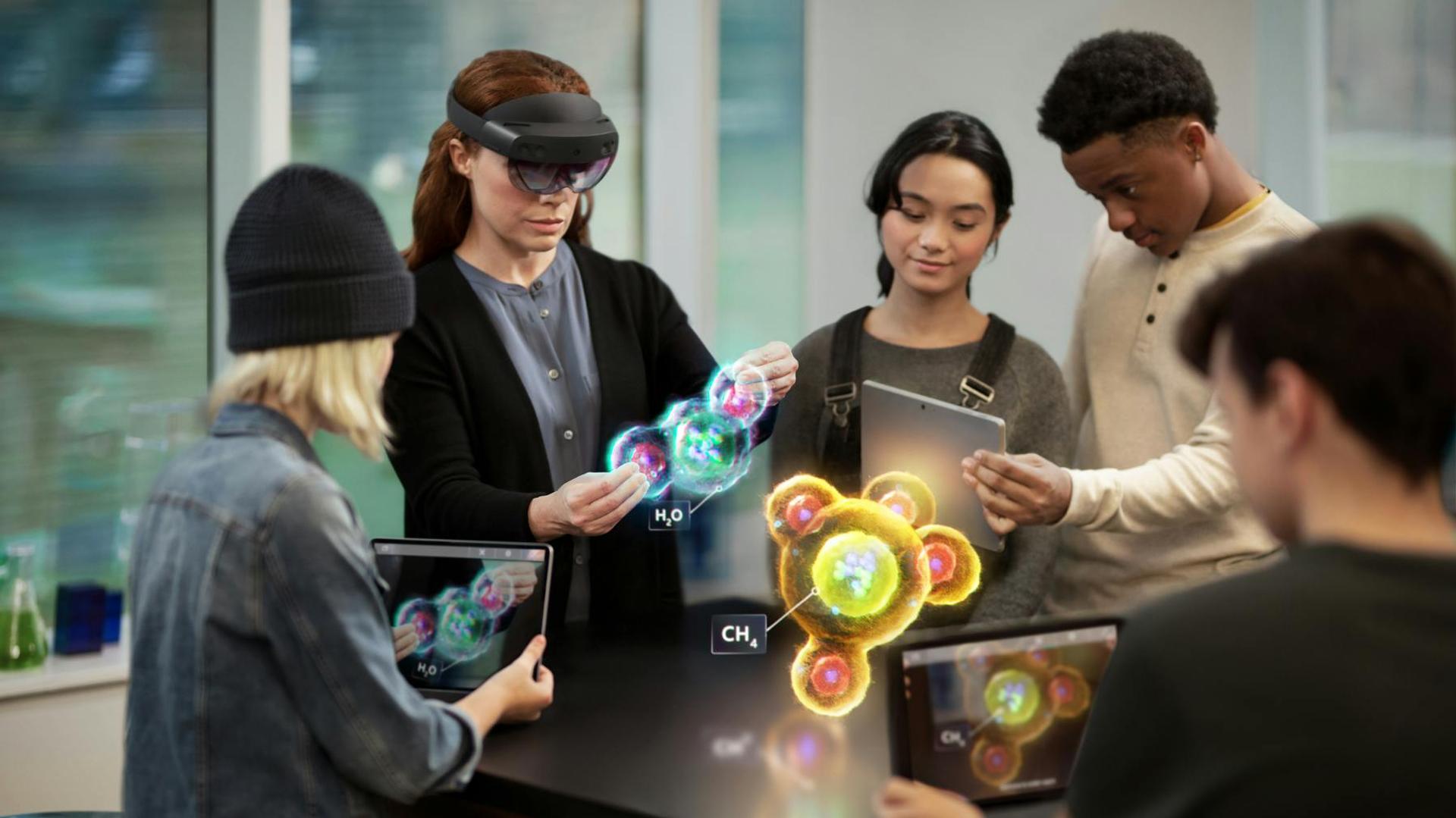
Holographic guides offer a revolutionary perspective in the education sector and redefine the way students acquire practical knowledge and develop skills. From scientific experiments to complex medical procedures, the possibilities are endless.
Microsoft Dynamics 365 Guides allows both teachers and students to create holographic guides independently. These guides give students the chance to interact with Mixed Reality content in real time using the HoloLens 2 device.
360 Technology: Digitising and editing spaces
360 technology and the independent digitisation of spaces are radically transforming the educational experience, taking teaching and learning to a completely new level. This technology allows students to digitise any space independently. The aim is for students to capture spaces and, using the set of images, create complete 360-degree perspectives.
Multidisciplinary robotics
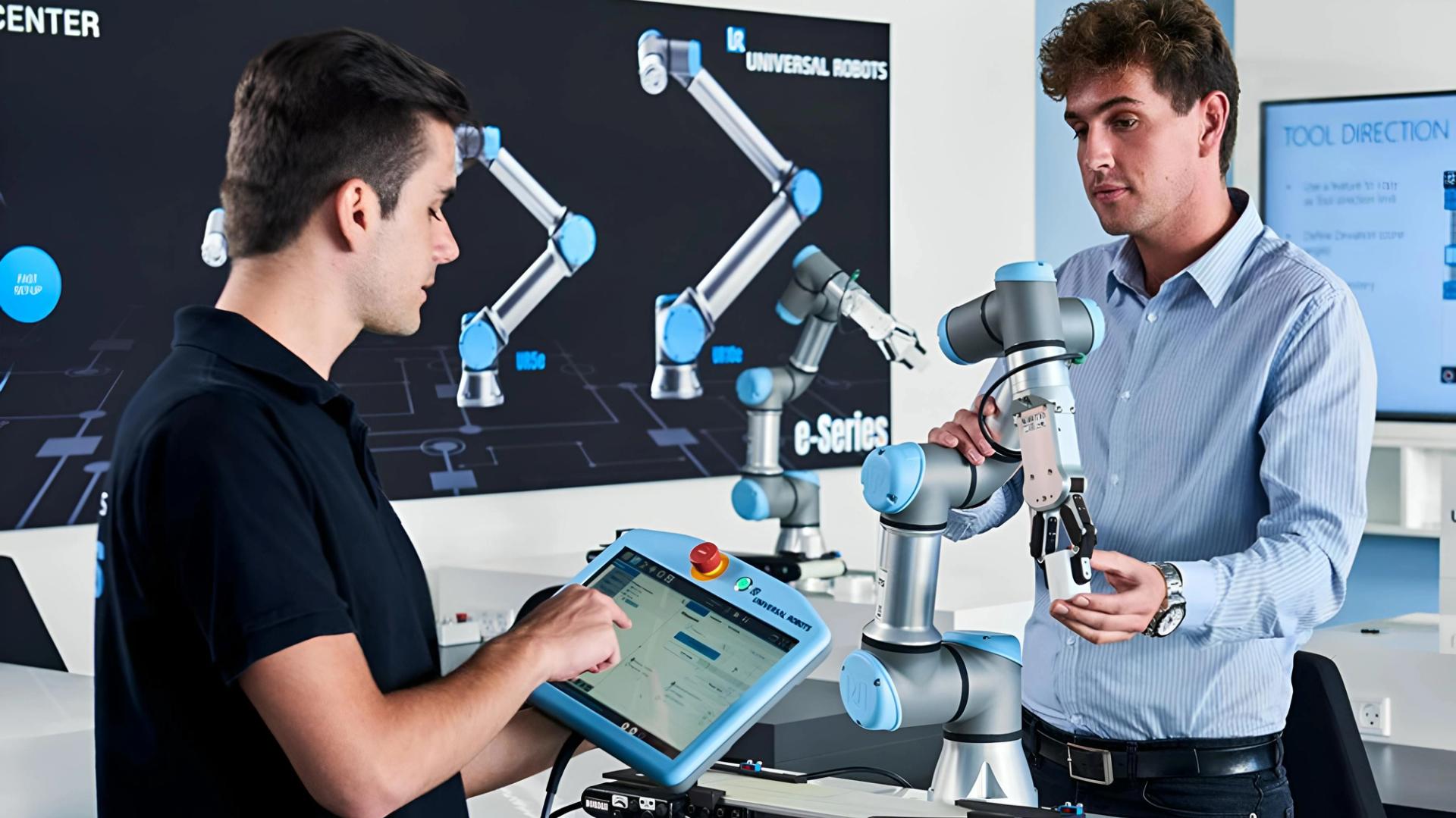
In recent years, robotics has emerged as a powerful tool in education, offering a wide range of benefits to students. One of the standout aspects of this trend is the integration of collaborative robots, also known as robotic arms, which have been designed specifically to work in harmony with humans in production environments. This collaboration not only optimises production processes, but also automates assembly lines, significantly reducing the associated occupational risks.
The ability to programme tasks using cutting-edge technologies is another fundamental aspect of the educational context. With tools such as the Universal Robots robotic arm, students have the opportunity to develop programming skills while exploring a wide range of technologies, including technology 5.0.
Empowering audiovisual content creation
Imagine a classroom where every student has the chance to be the star of their own film production, where they can give free rein to their creativity and express themselves in ways never imagined before. This scenario is possible thanks to the introduction of a complete multimedia kit into the educational environment.
With a multimedia kit available, students not only have access to high-quality tools, but are also given the opportunity to explore different aspects of the audiovisual world. From making short films to creating impactful presentations, this kit offers them a wide range of creative possibilities.
The integration of key technologies in education not only represents an evolution in the way we teach and learn, but also opens up a world of possibilities for developing essential skills for the workers of tomorrow.
At Invelon, we are committed to driving this transformation, providing educational centres with the most innovative technological solutions, tailored to their specific needs, and so guaranteeing a path towards a more dynamic, inclusive educational future that is prepared for the challenges ahead.