Case studies on the promotion of cultural heritage thanks to Virtual Reality and Augmented Reality
New technologies keep offering new functionalities in different fields, and one of them is cultural heritage.
New technologies never cease to provide functionality in different fields, and one of them is cultural heritage. New technologies offer innovative alternatives to an increasingly demanding and constantly evolving public. Virtual Reality and Augmented Reality have been establishing themselves as two key components in the promotion of cultural heritage, significantly improving the user's experience and satisfaction, and making it easier for them to understand and connect with the heritage they visit.
So much so that it can be said that both Virtual Reality and Augmented Reality, applied to the heritage field, deliver better results when it comes to disseminating cultural content. In fact, the use of these technologies increases visit intent and repeat visits, two very important factors in this sector.
Benefits of Virtual Reality and Augmented Reality for cultural heritage
We know there are various Virtual and Augmented Reality solutions that can be applied to artistic and cultural heritage. But what advantages does the use of new technologies bring to this sector?
- Modernising information. The use of new technologies means information is presented according to the criteria of the new formats. This is a great help when presenting all kinds of communications, which become much more relevant and complete.
- Greater public interest. Nowadays, the public is used to consuming information in a much more interactive way. Therefore, including this type of solution or resource will make them much more interested. After all, these can be tools that impress easily, connect with all audiences and present information more quickly, arousing great interest among the public.
- Greater dynamism. At last, we are putting an end to the classic exhibition layouts that consist only of text and a fragment of material. Now different avenues can be explored to present a much richer and more interesting exhibition with all kinds of media and formats.
- Better information. Reading about an old building and the materials it was made with is not the same as seeing it. Likewise, reading about the old town of a city will not be as impressive as taking a walk around those areas. What is visual always stays etched in our consciousness in a more definitive, more spectacular way. Therefore, in the field of cultural heritage it is useful to introduce new technologies to present it in a much more attractive way.
At Invelon we have worked on several projects promoting both art and culture through the use of Virtual Reality and Augmented Reality. Below we will tell you about two projects that have become two case studies: the Centre d’Interpretació de la Pedra seca and Ara Lleida.
Centre d’Interpretació de la Pedra Seca
First, we will talk about the Centre d’Interpretació de la Pedra Seca (CIPS) project which, through Virtual Reality, promotes the historical and ethnological heritage of the municipality of Torrebesses.
In this case, the CIPS needed a Virtual Reality solution to promote and showcase the dry stone construction technique, to the visitors and tourists who come to its permanent exhibition. Specifically, they wanted to explain how certain architectural elements such as Dry Stone Huts and Cisterns were built, but in a much more dynamic way that would arouse great interest among the public.
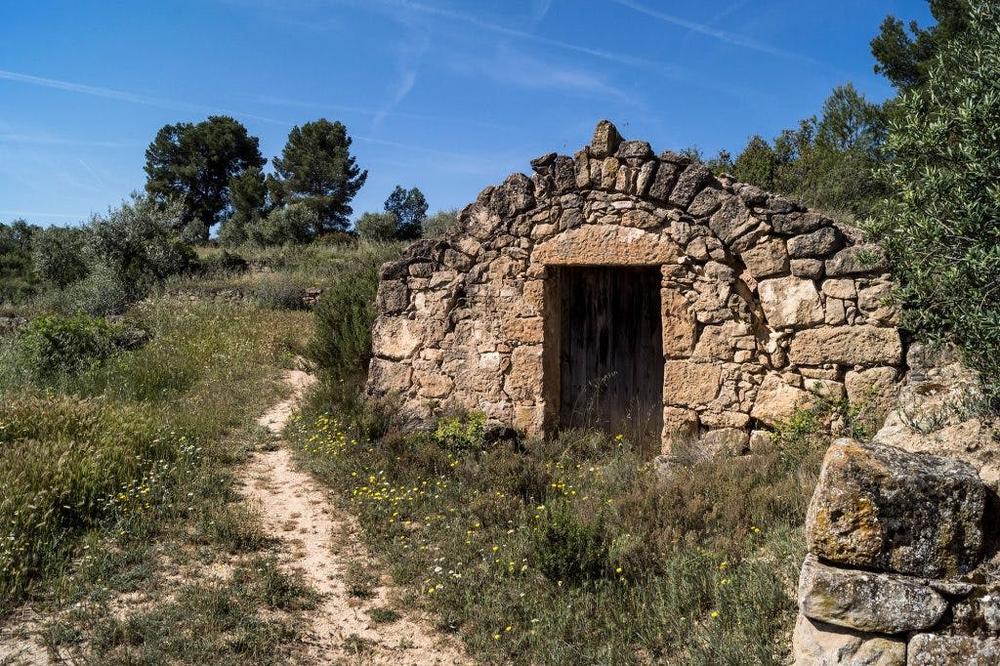
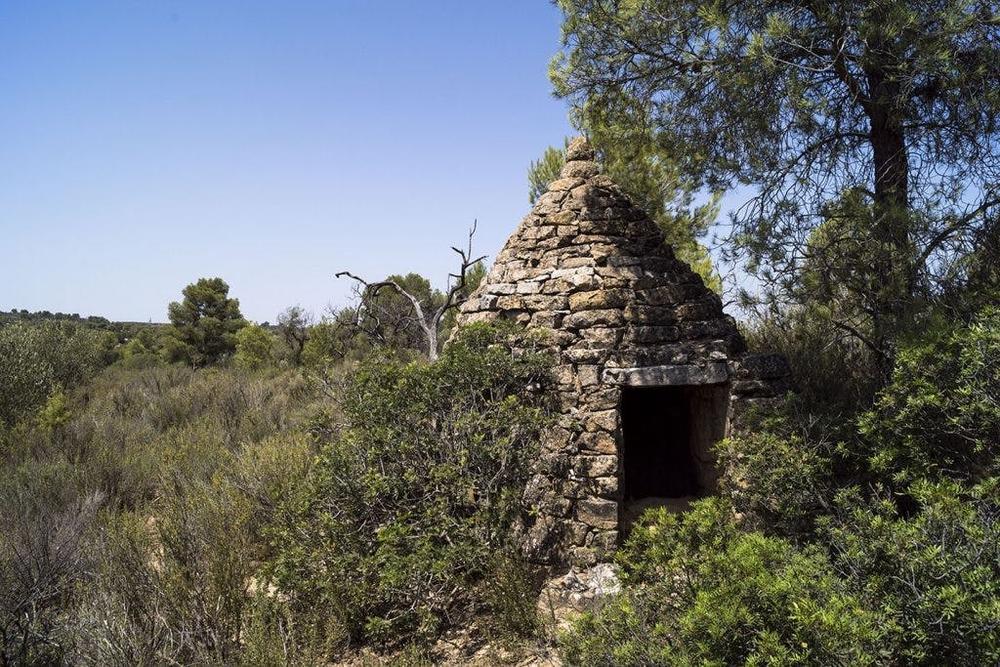
Invelon worked on an interactive and educational Virtual Reality solution in which visitors experience, in the first person and in an immersive way, the ancient dry stone production process of two architectural elements: the Vaulted Hut and the Cistern.
In both cases, it is a fully interactive experience that allows you to build the structure and also visit the Virtual Reality recreation of the interior of a real hut; this extends the museum visit and creates an immersive and dynamic experience.
Ara Lleida
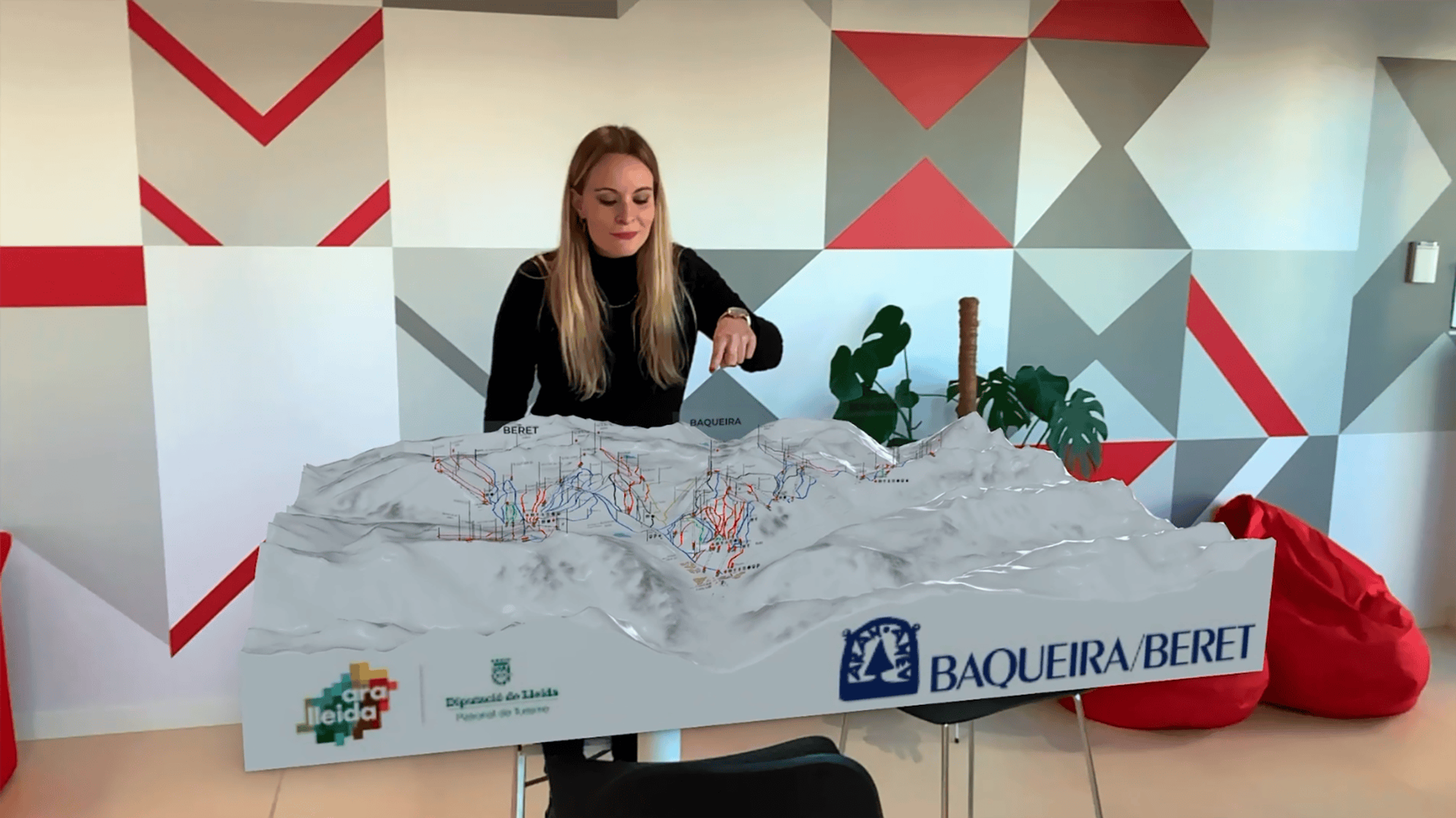
Secondly, the Ara Lleida project, focused on promoting ski slopes through Augmented Reality.
In this case, Ara Lleida wanted to promote the 11 ski resorts of the Lleida Pyrenees in an interactive and dynamic way to attract more visitors during the winter season.
At Invelon, we worked on a Web Augmented Reality solution; an accessible interactive resource within everyone's reach; in which, through a web page, an animated interactive 3D model of each of the ski slopes can be viewed. In addition, Ara Lleida was also provided with an interactive guide containing all the information.
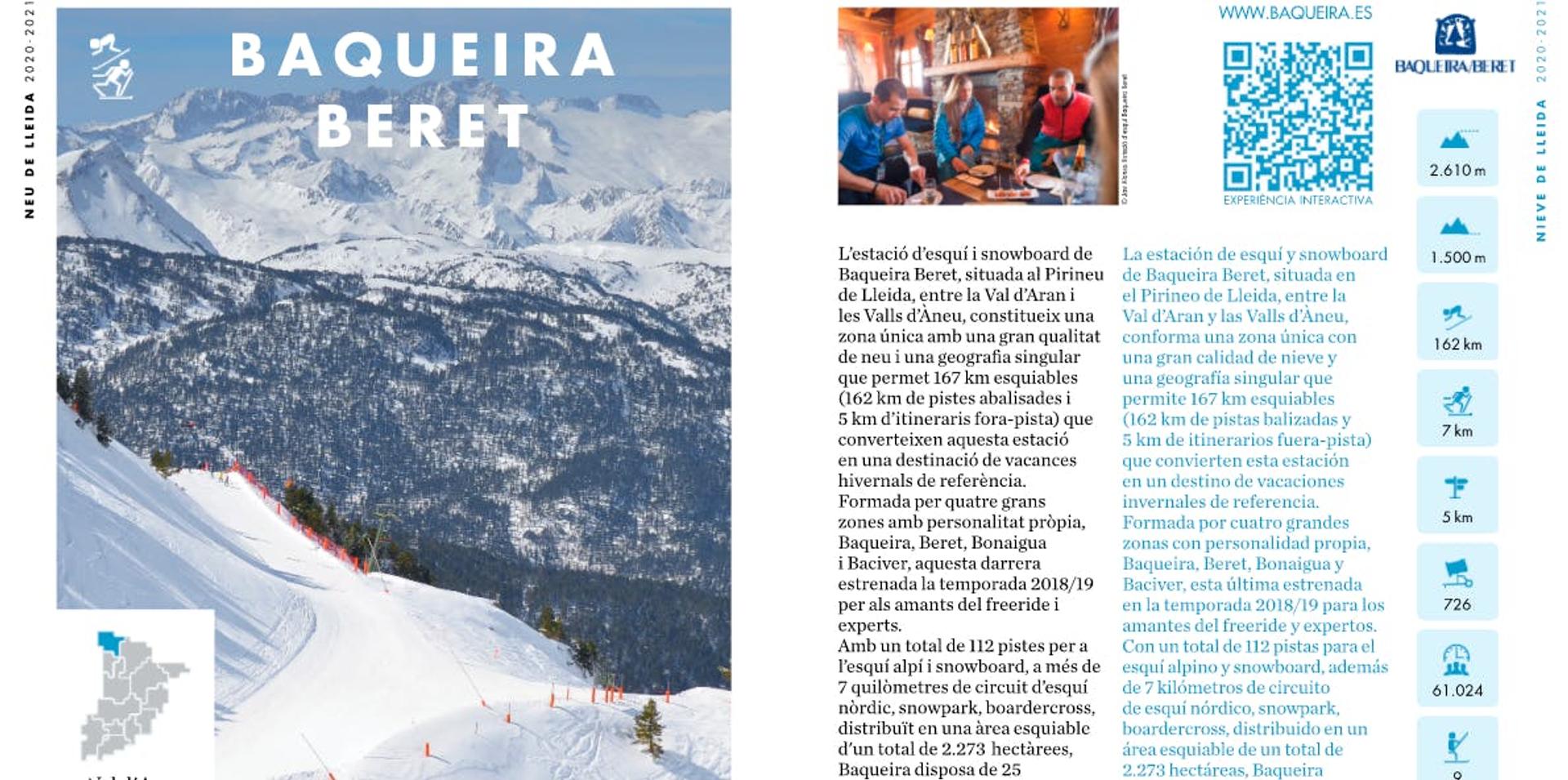
This Augmented Reality solution focuses on viewing the ski slopes anywhere by scanning a QR code with a mobile device or tablet. The representation of the ski resorts lets you see the types of slopes and their colours, the points of interest, and where the chairlifts or the medical centre are, among other options.
These two applications mean that prospective tourists can enjoy an immersive experience before visiting the slopes, capturing their interest and giving them valuable information in a much more dynamic way.
In conclusion, Virtual and Augmented Reality can be two excellent tools for the promotion of artistic and cultural heritage. Moreover, it can be said that these two technologies are already widely used in other industries, which makes them very interesting to apply in other fields, such as the arts and culture sector.
At Invelon we are consultants specialising in Virtual Reality as well as Augmented and Mixed Reality, and we help companies grow with these types of technologies in a tailored way. If you are interested, do not hesitate to get in touch with us and we will be delighted to help and advise you to find the best solution for your company.